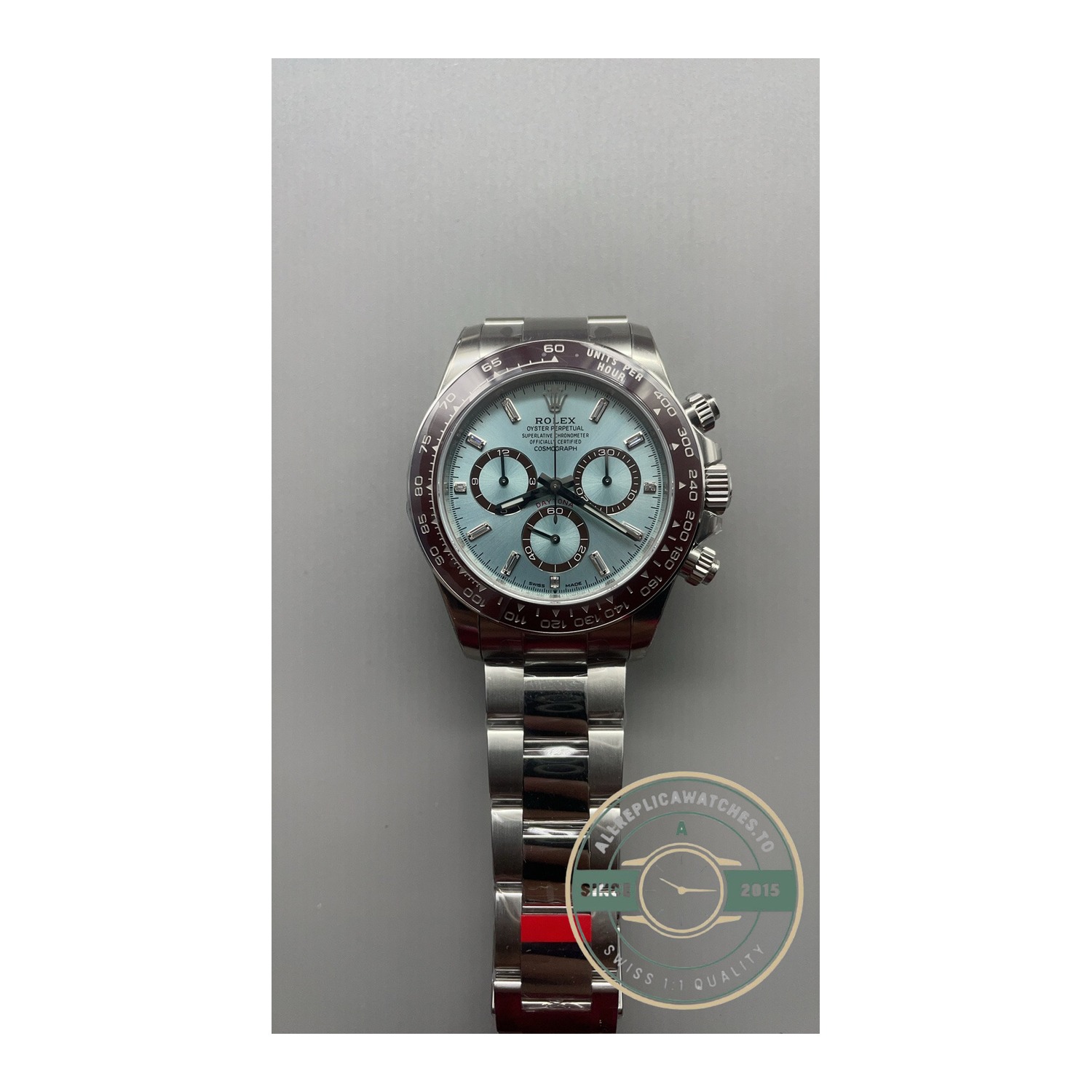
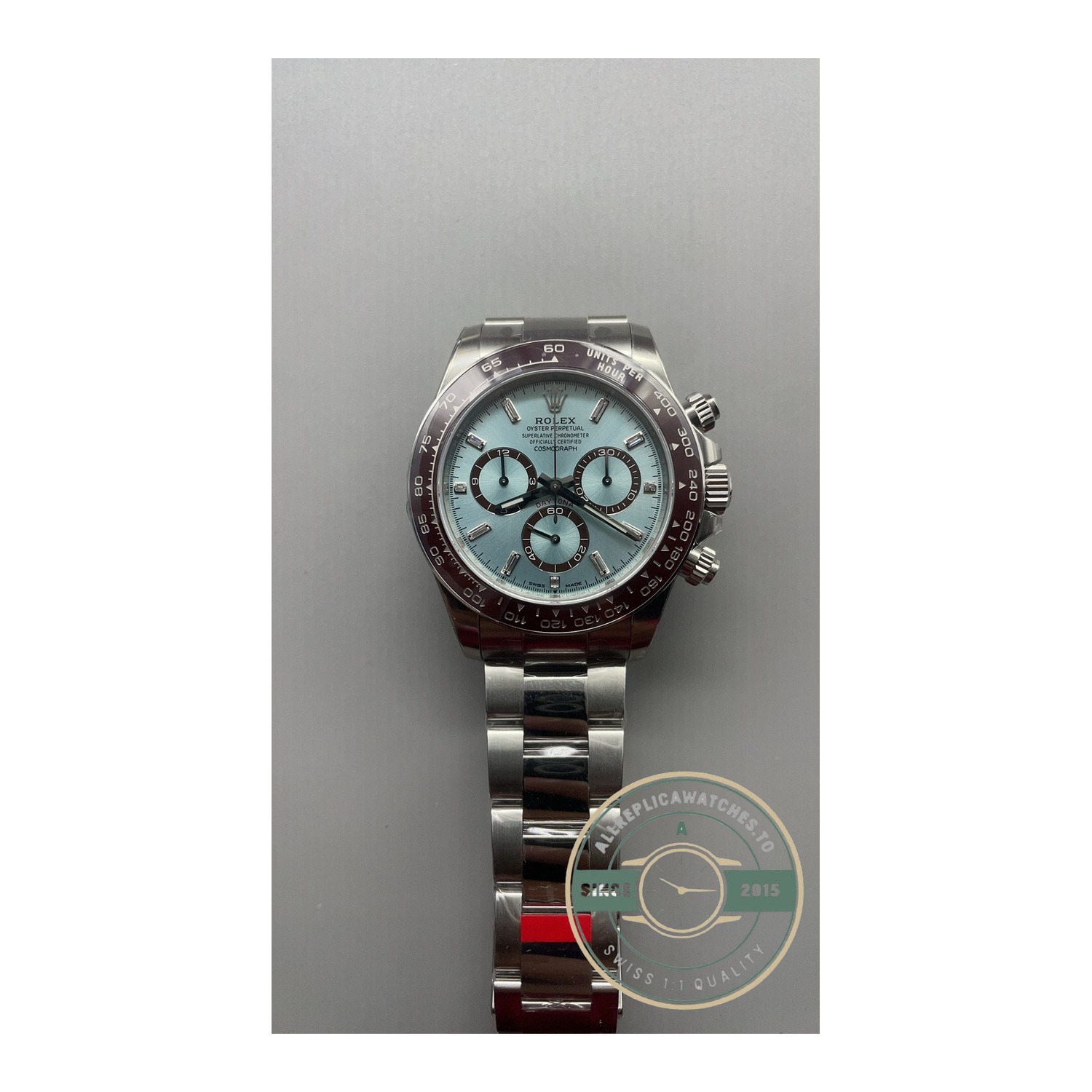
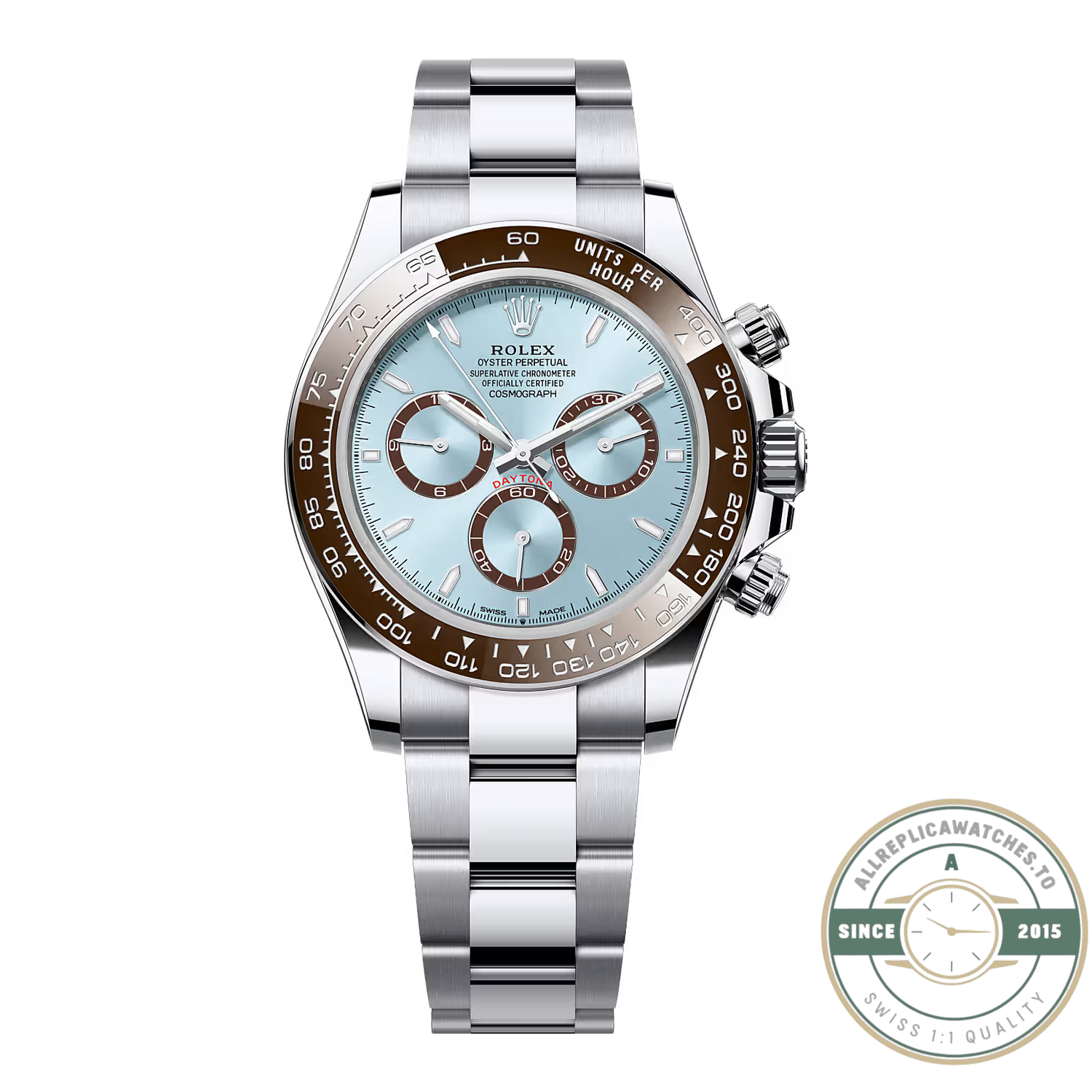
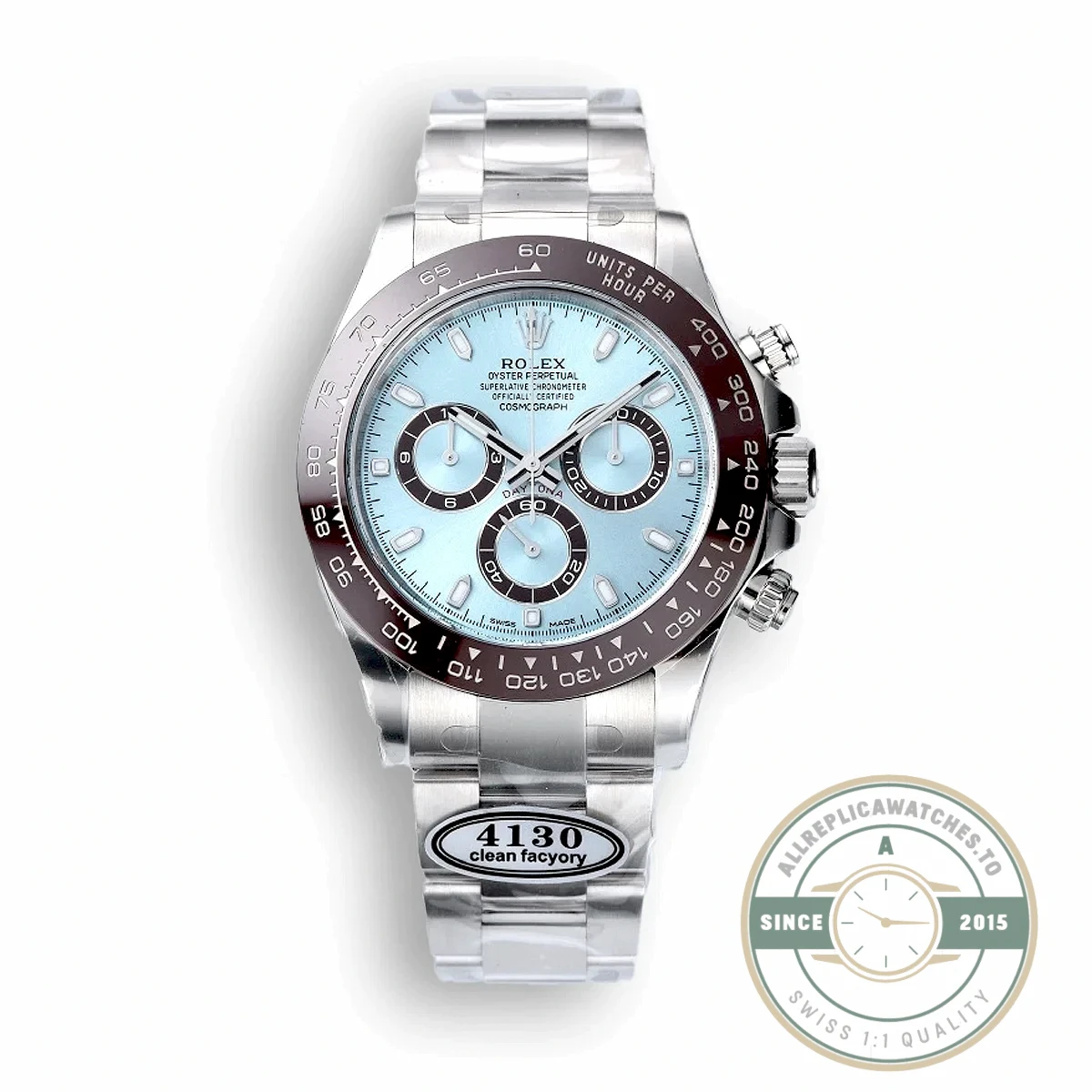
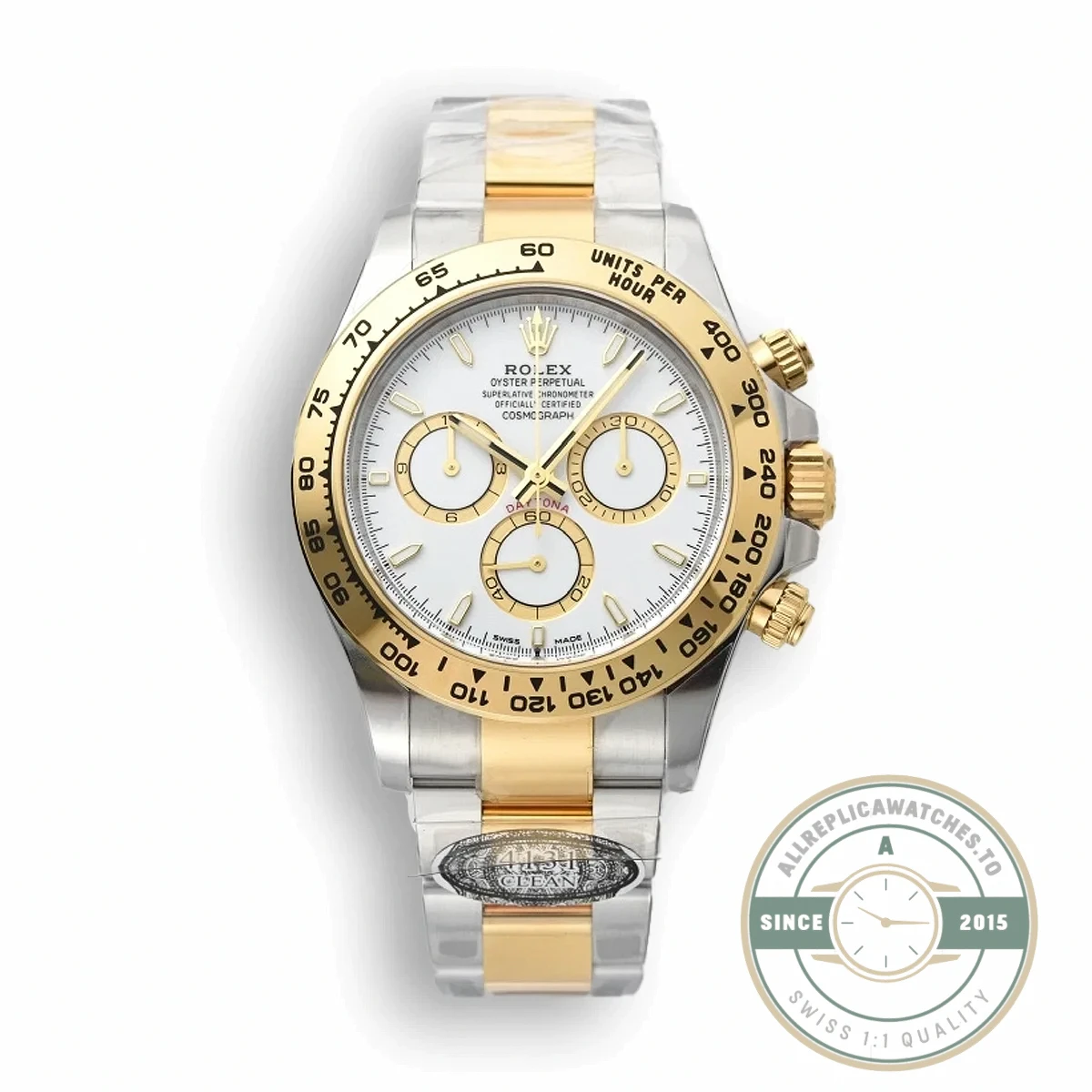
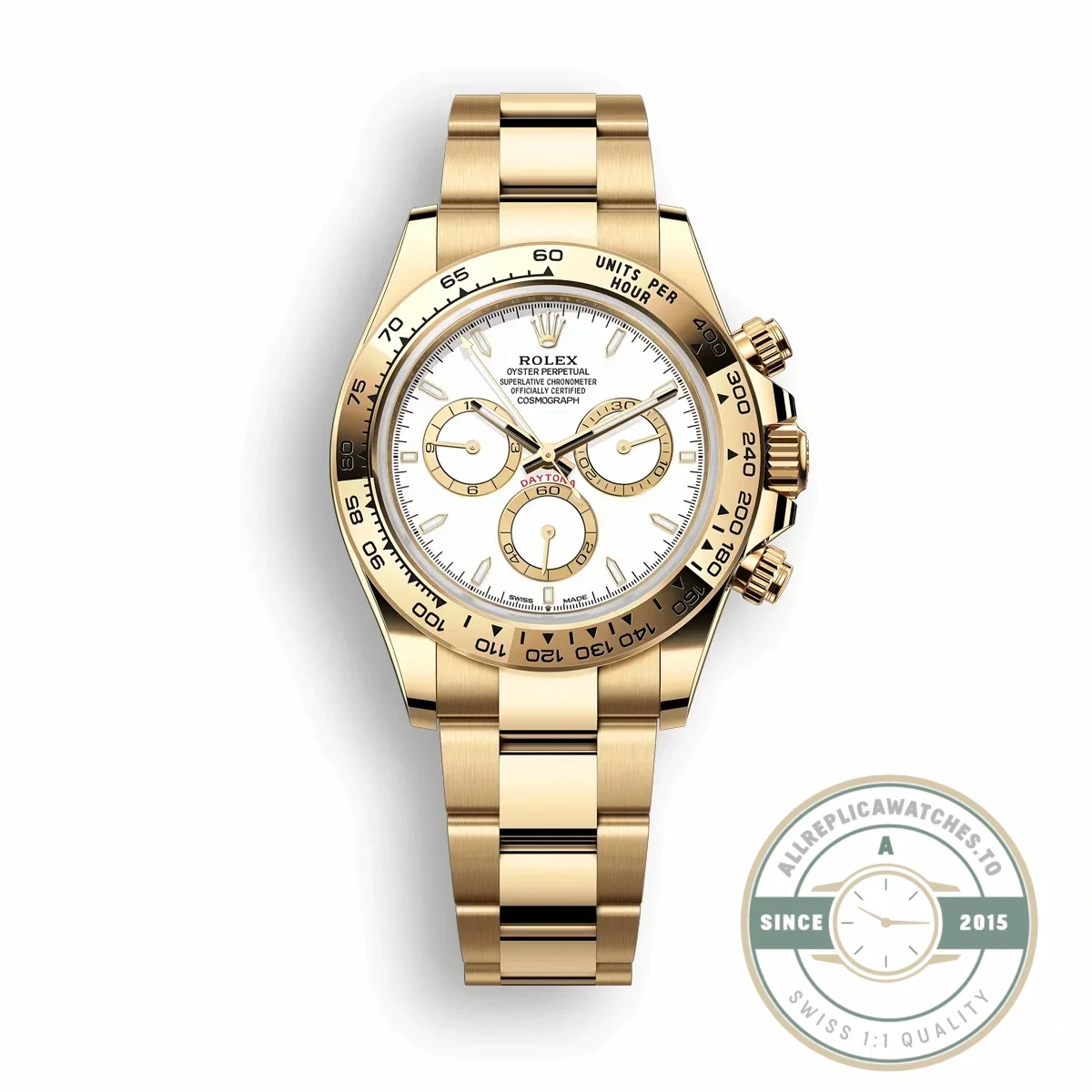
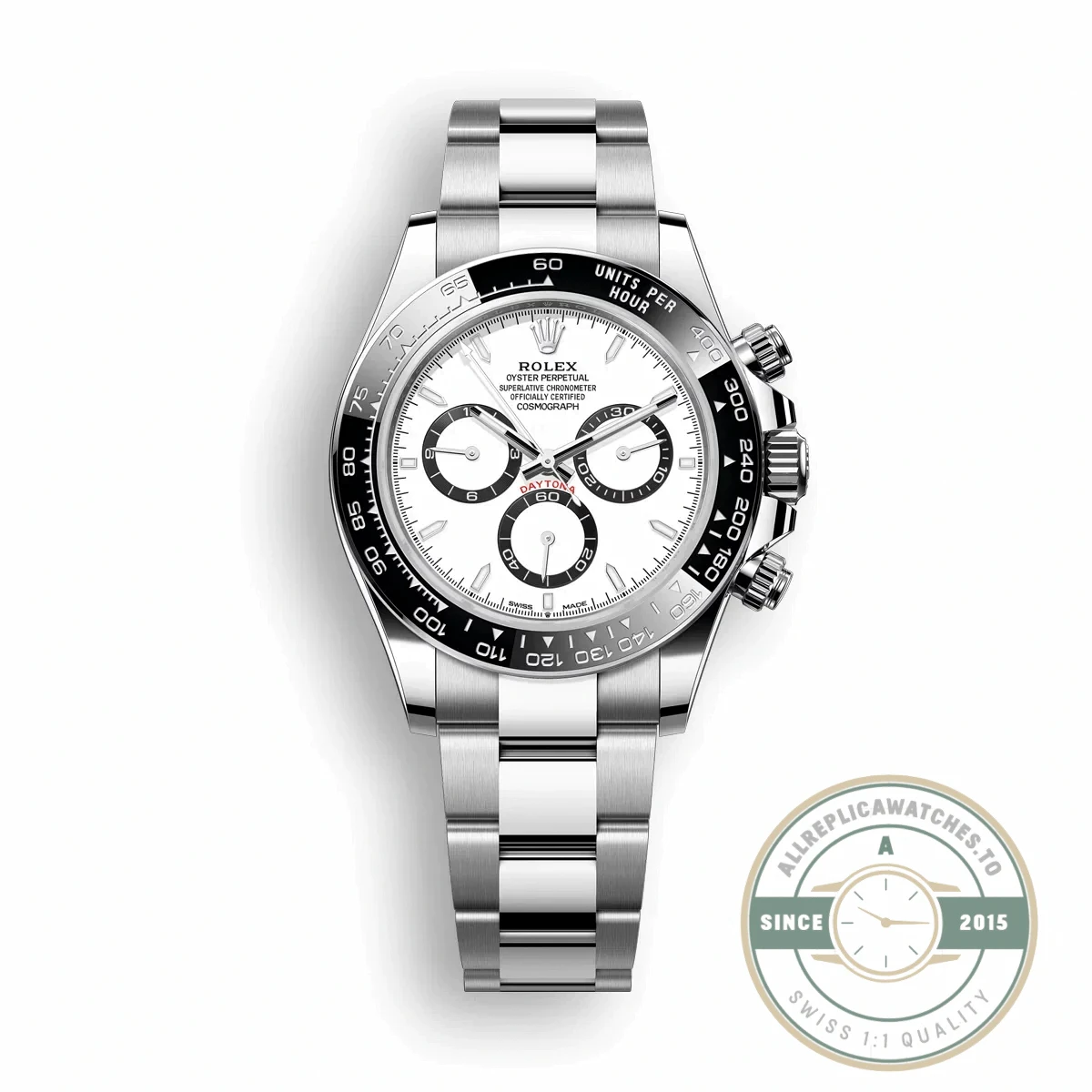
Rolex Oyster vs Jubilee vs President vs Oysterflex: Which Bracelet Is Best?
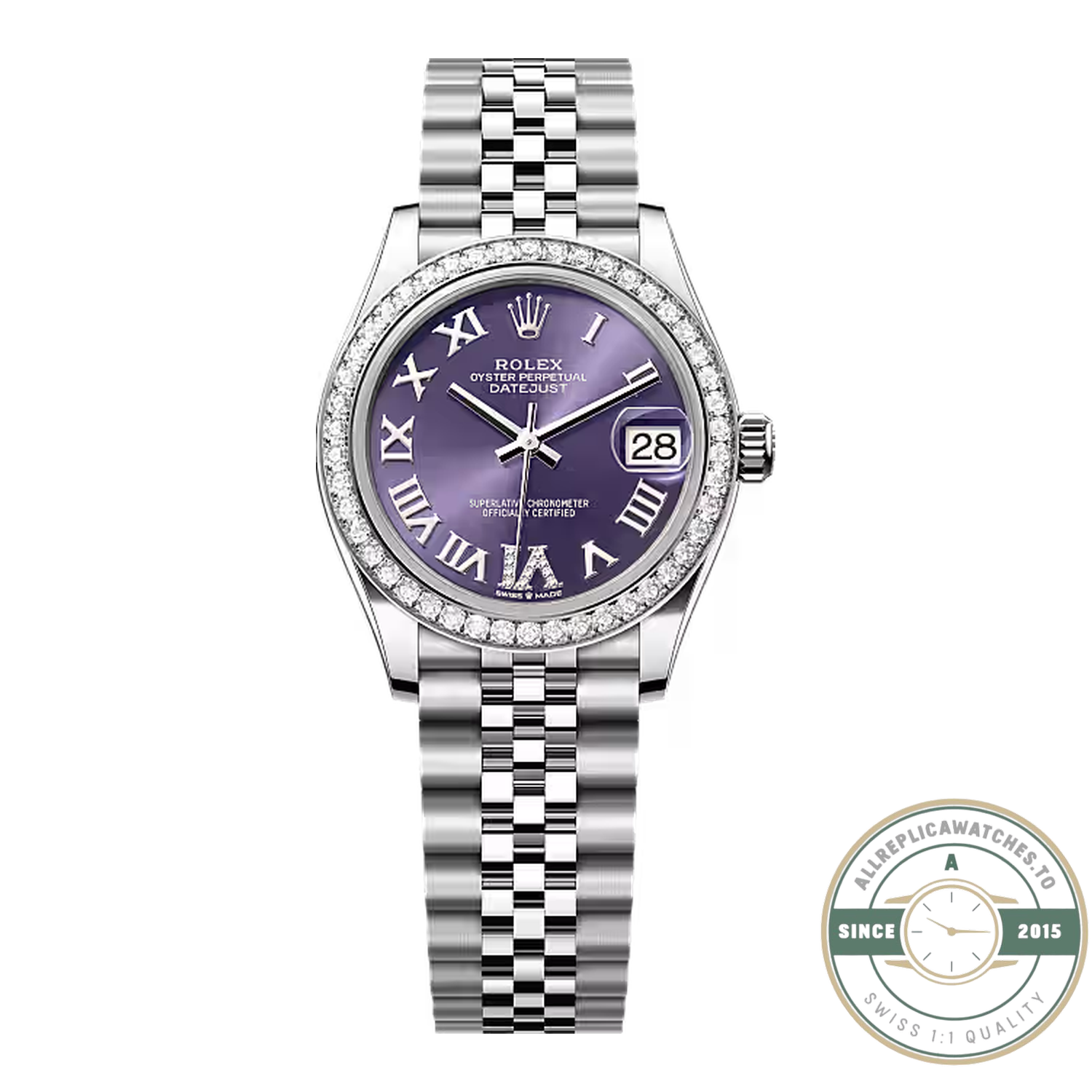
The Oyster is the versatile three-link choice, the Jubilee is the more intricate five-link classic, the President is the rounded precious-metal signature of the Day-Date, and Oysterflex combines a flexible metal core with an elastomer exterior. None is universally better. The right bracelet depends on the model, your wrist, the clasp and how you actually wear the watch. This guide compares the four styles and explains what to inspect when choosing a replica.
The Quick Answer: Four Bracelets, Four Personalities
If you want one rule to remember, it is this: choose Oyster for understatement, Jubilee for detail, President for a dressy statement, and Oysterflex for a streamlined sporty feel. The first two are often direct style choices on the same Rolex family, especially the Datejust and GMT-Master II. President and Oysterflex are more model-specific.
Important distinction: A bracelet name describes a design, not a universal fitting system. Bracelets, end links, spring-bar placement, clasp types and available sizes vary with the exact watch reference. Not every bracelet can be attached to every Rolex case.
How the Four Rolex Bracelet Designs Developed
The Oyster bracelet dates to the late 1930s. Its broad, flat three-piece links made it an obvious partner for the brand’s practical Oyster watch cases. It remains the default mental picture of a sporty Rolex bracelet.
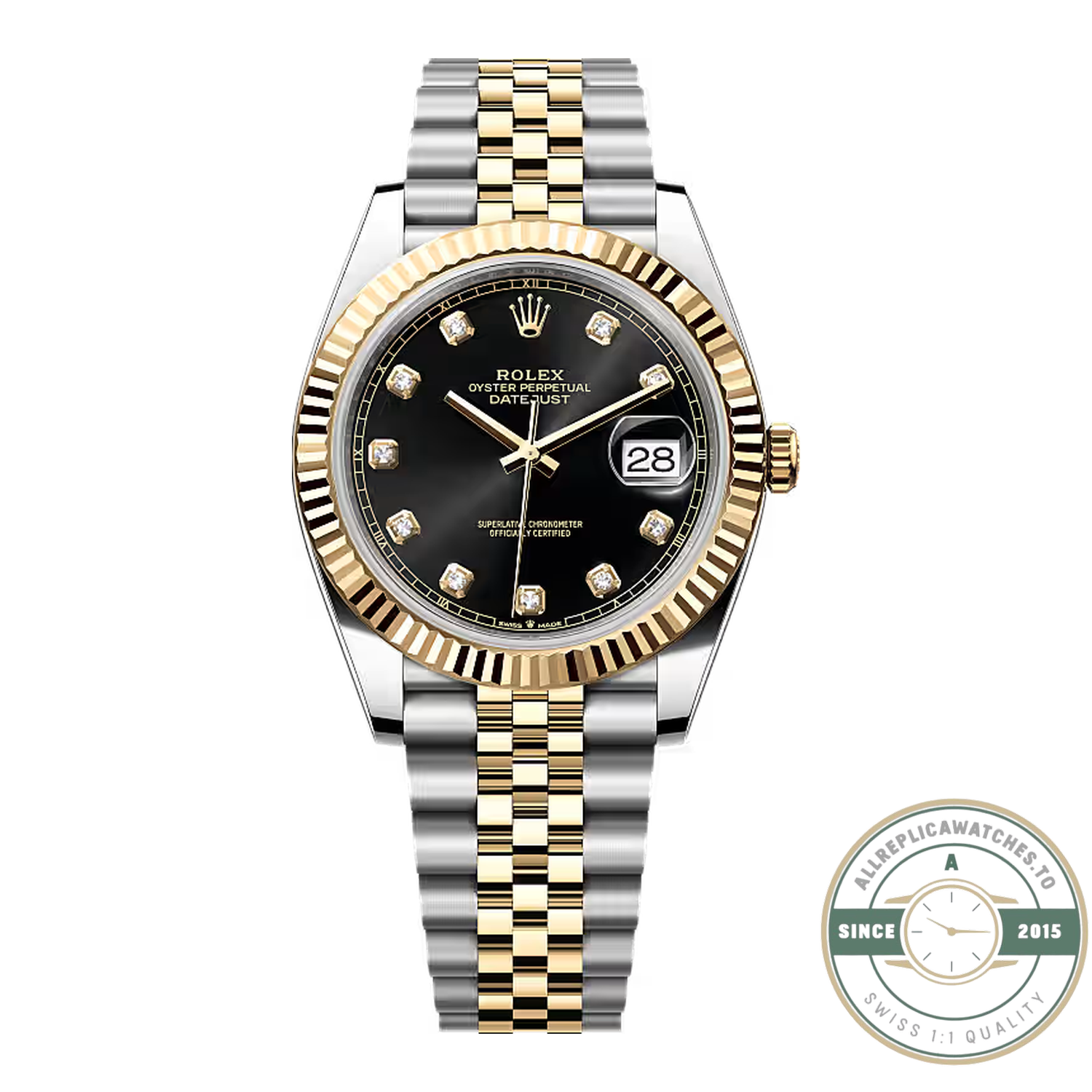
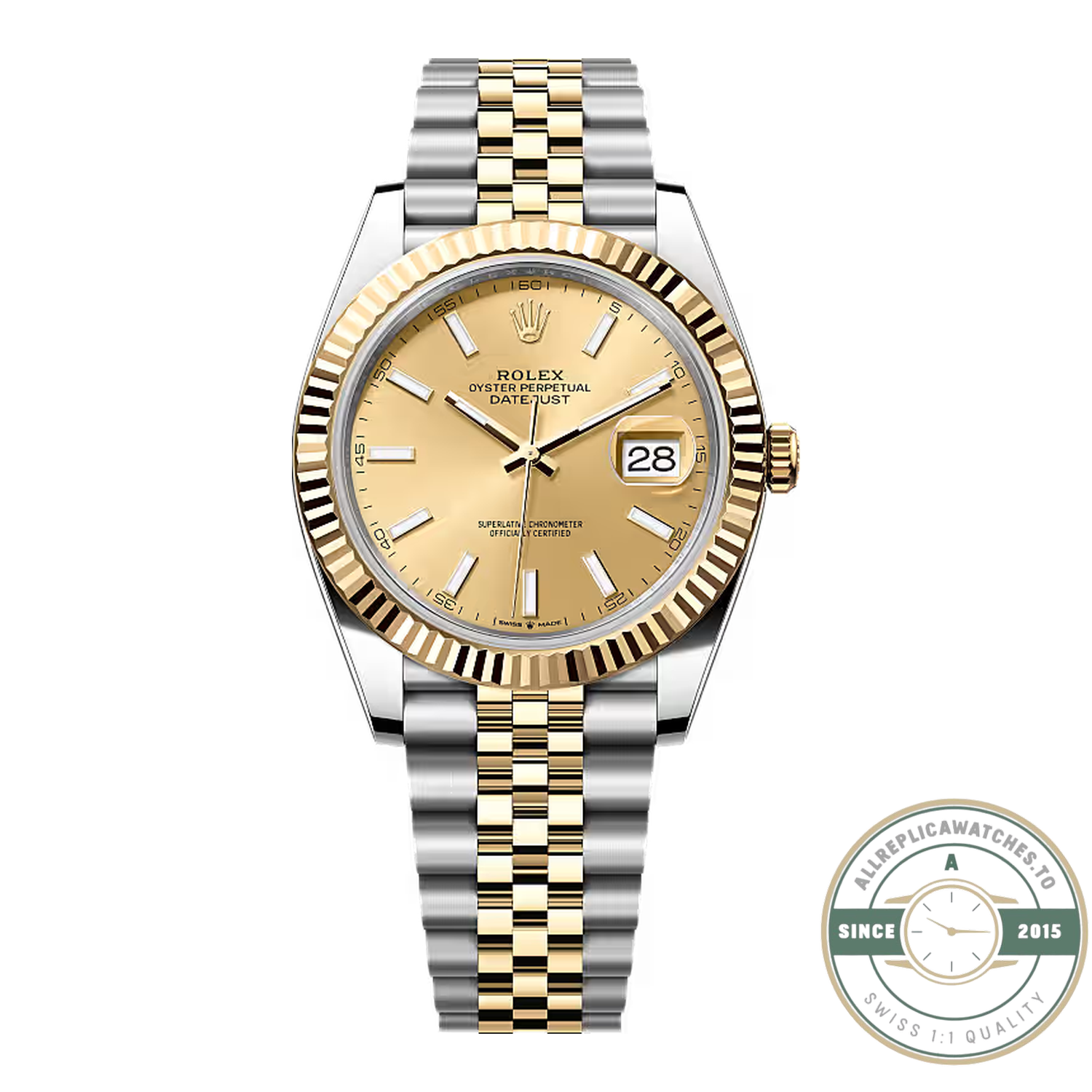
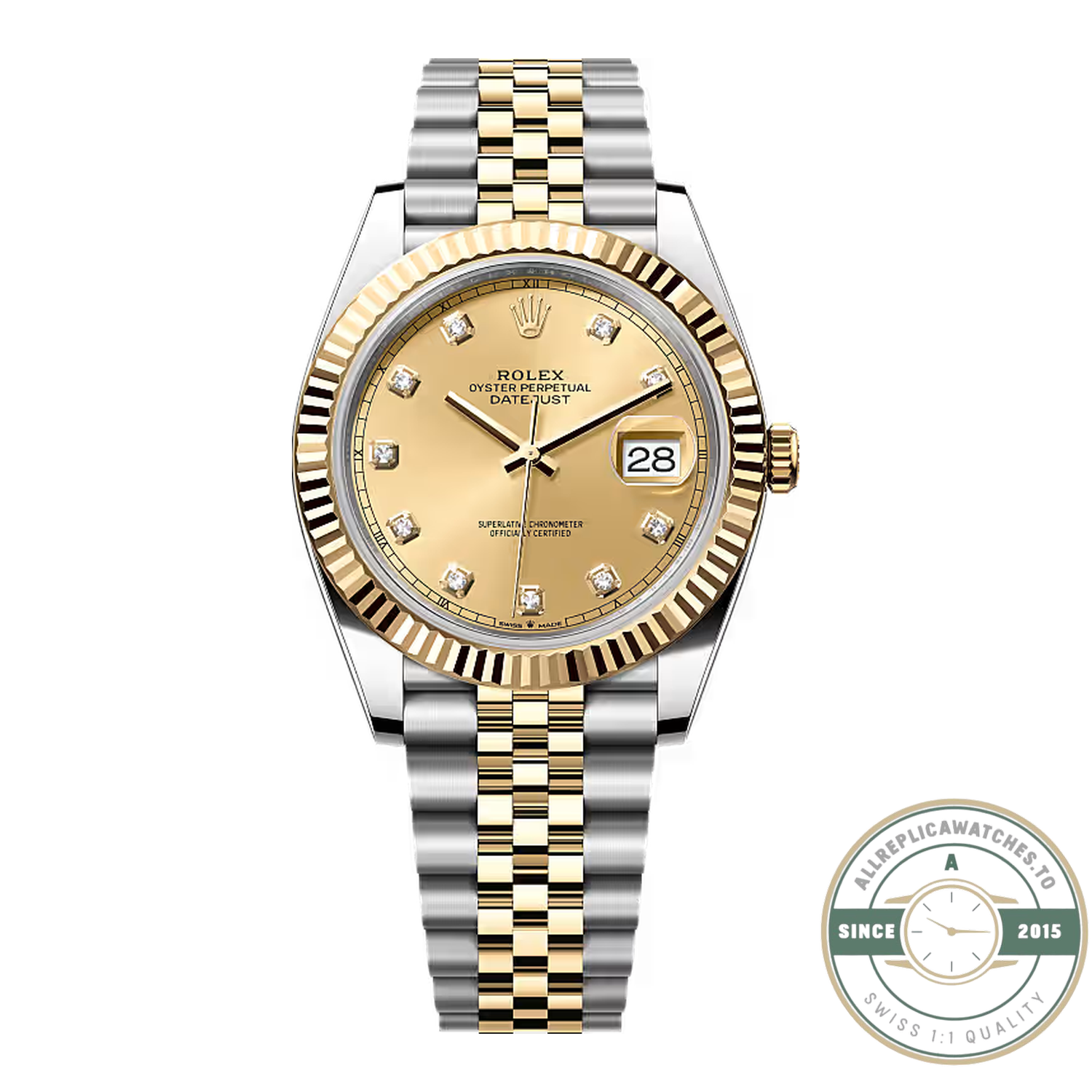
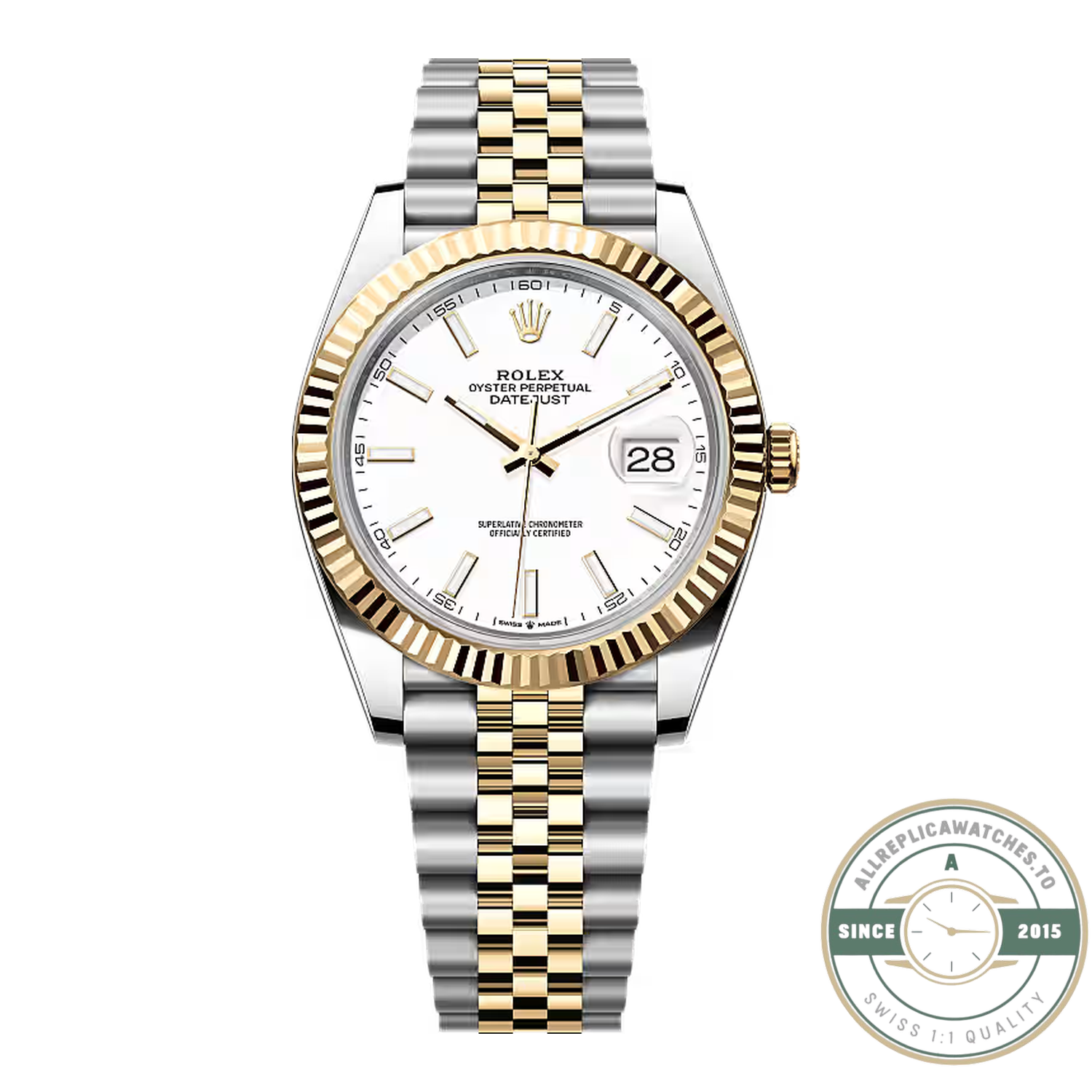
The Jubilee was created in 1945 for the Datejust. Its five-piece construction introduced a more intricate look, with many small reflective surfaces. The President followed in 1956, designed specifically for the newly introduced Day-Date, with rounded links and a concealed-clasp aesthetic.
The much newer Oysterflex takes a different approach: an elastomer exterior around flexible metal blades. Rather than looking like a traditional linked bracelet, it gives selected Rolex sports models a dark, streamlined silhouette without being a conventional all-rubber strap.
Oyster Bracelet: The Everyday All-Rounder
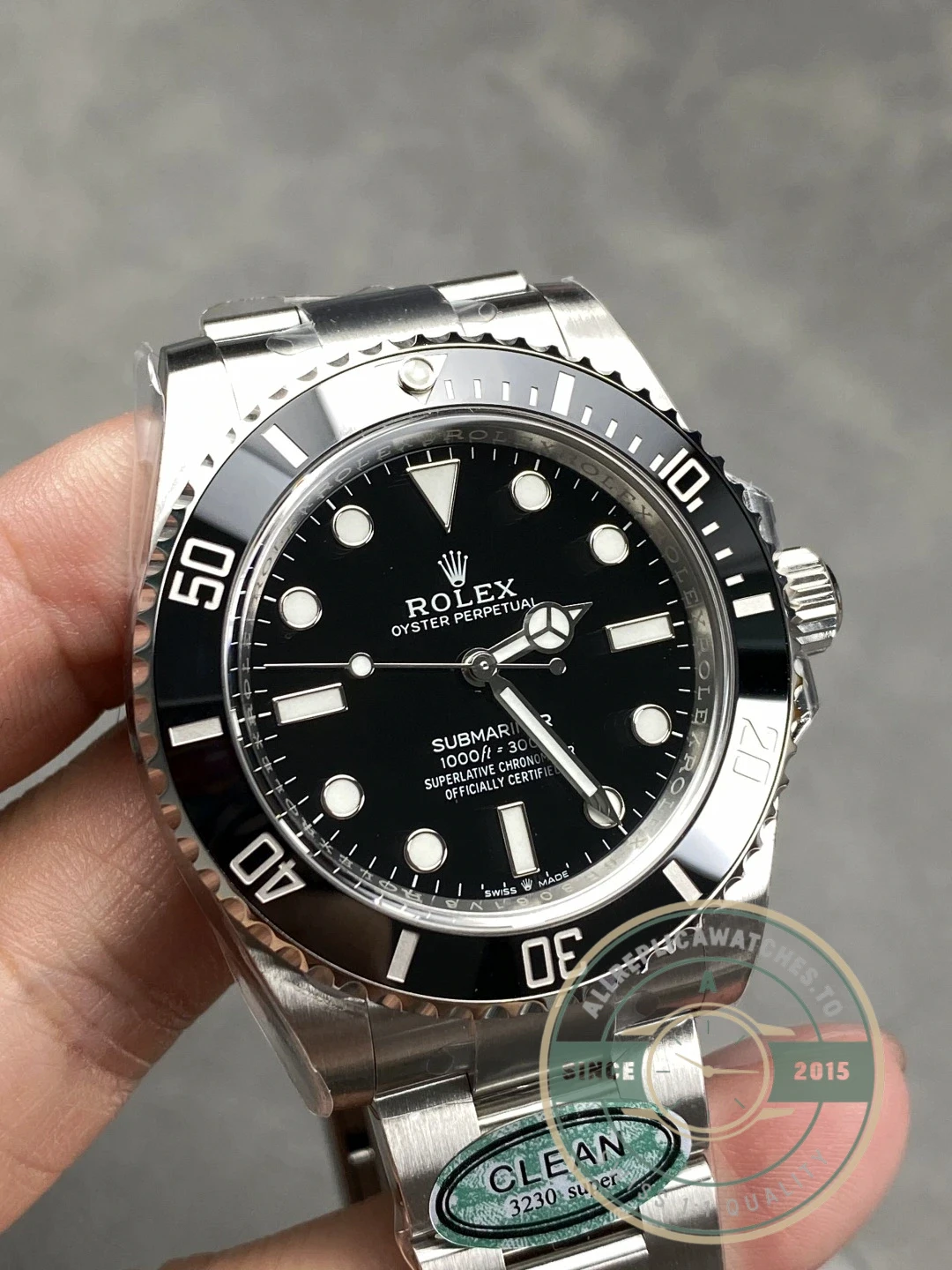
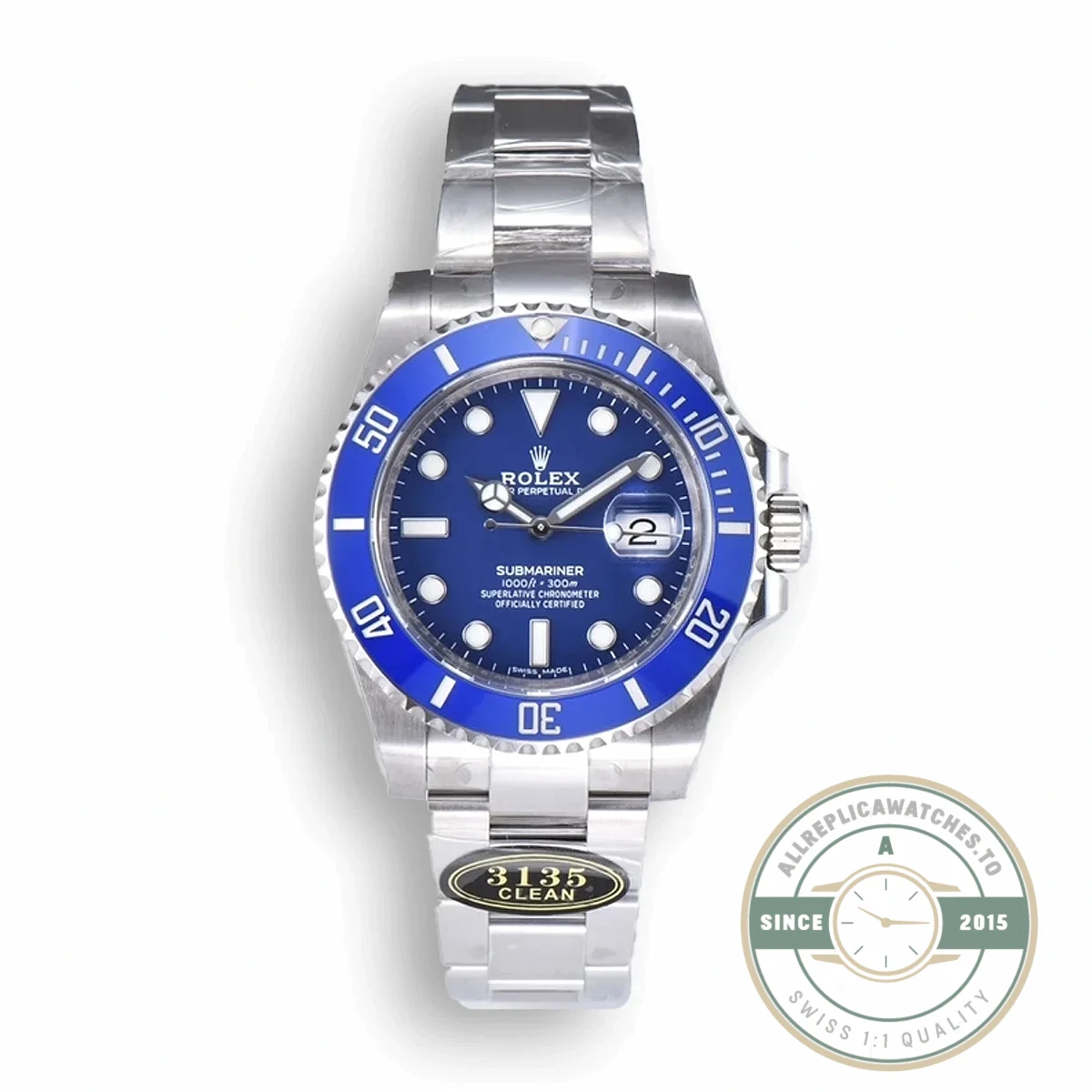
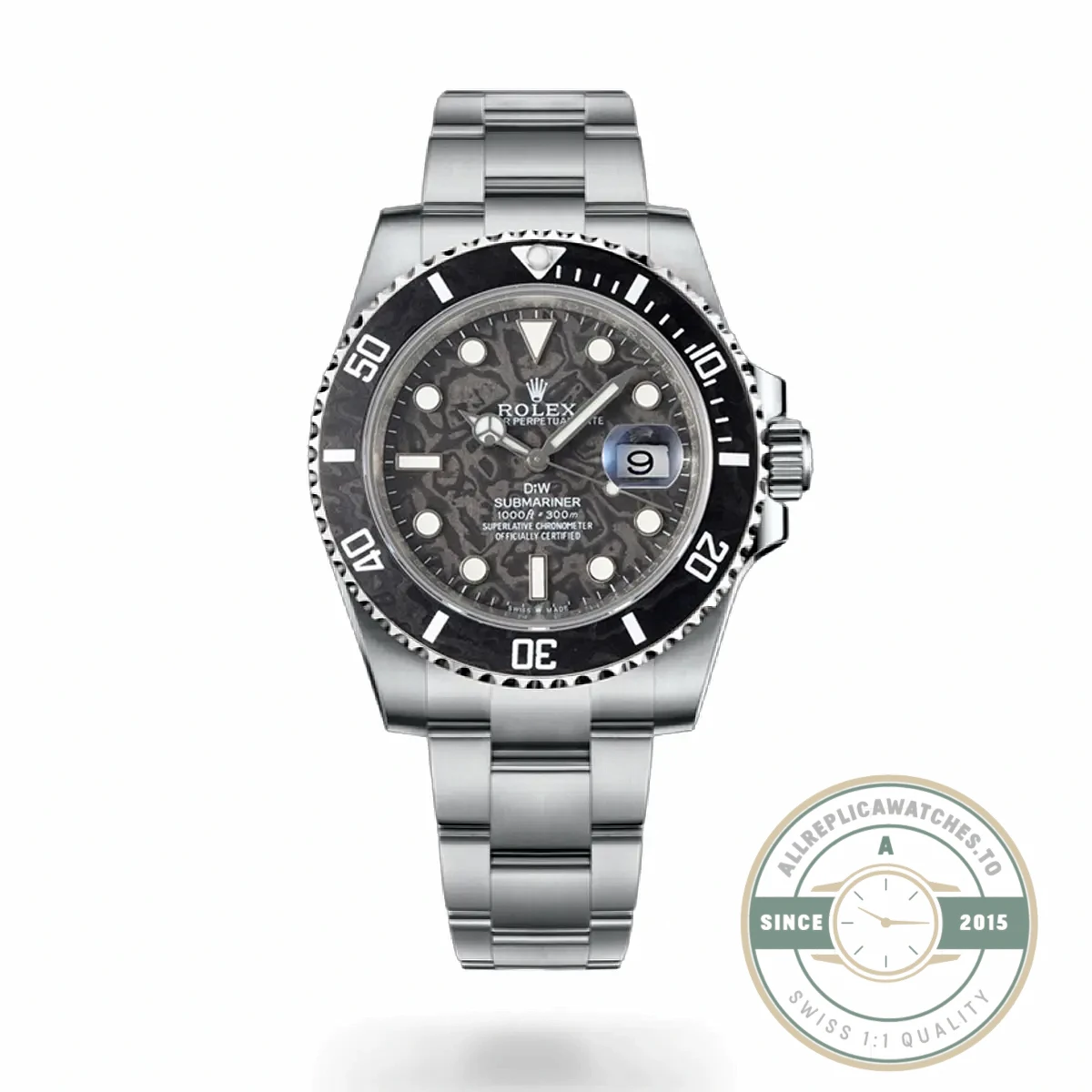
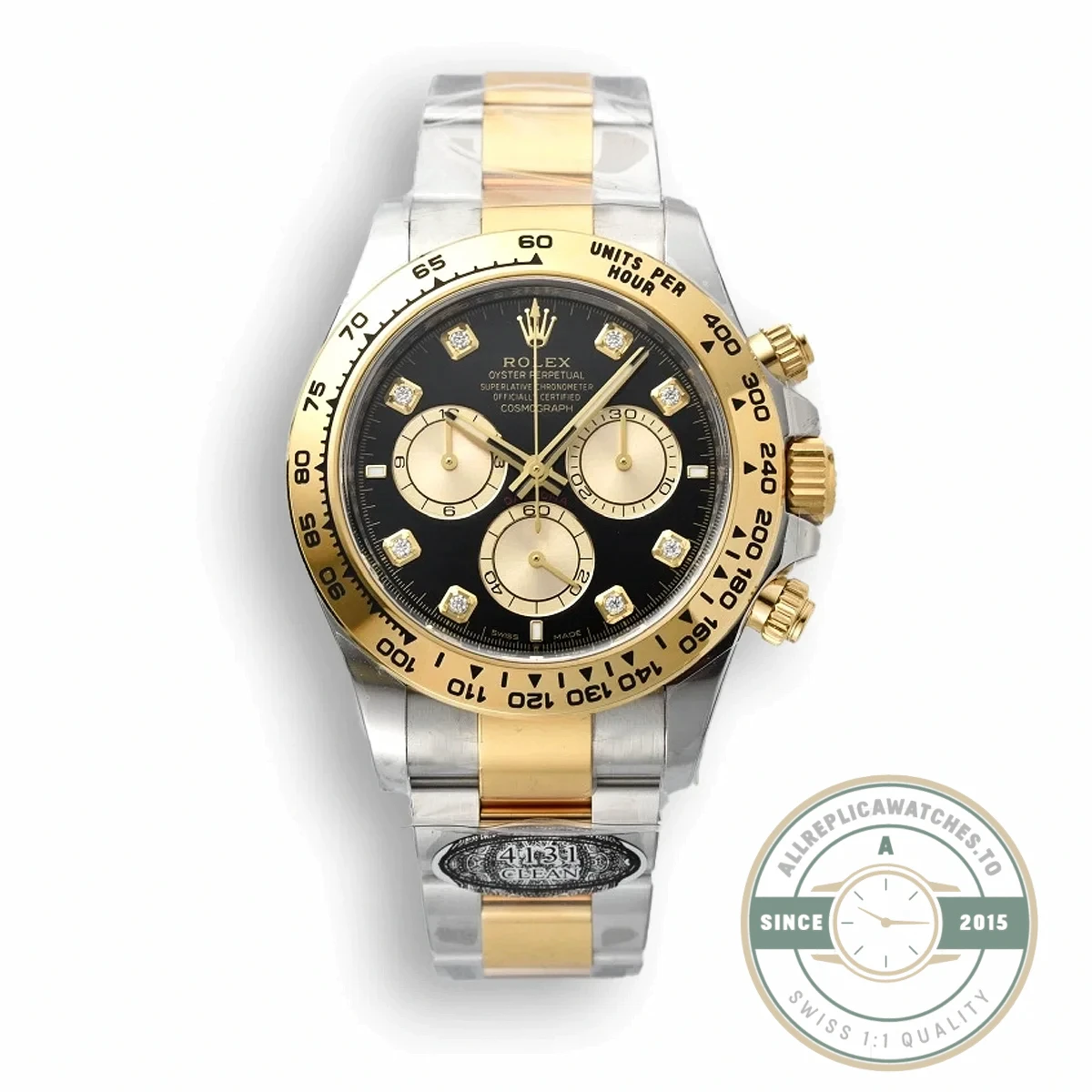
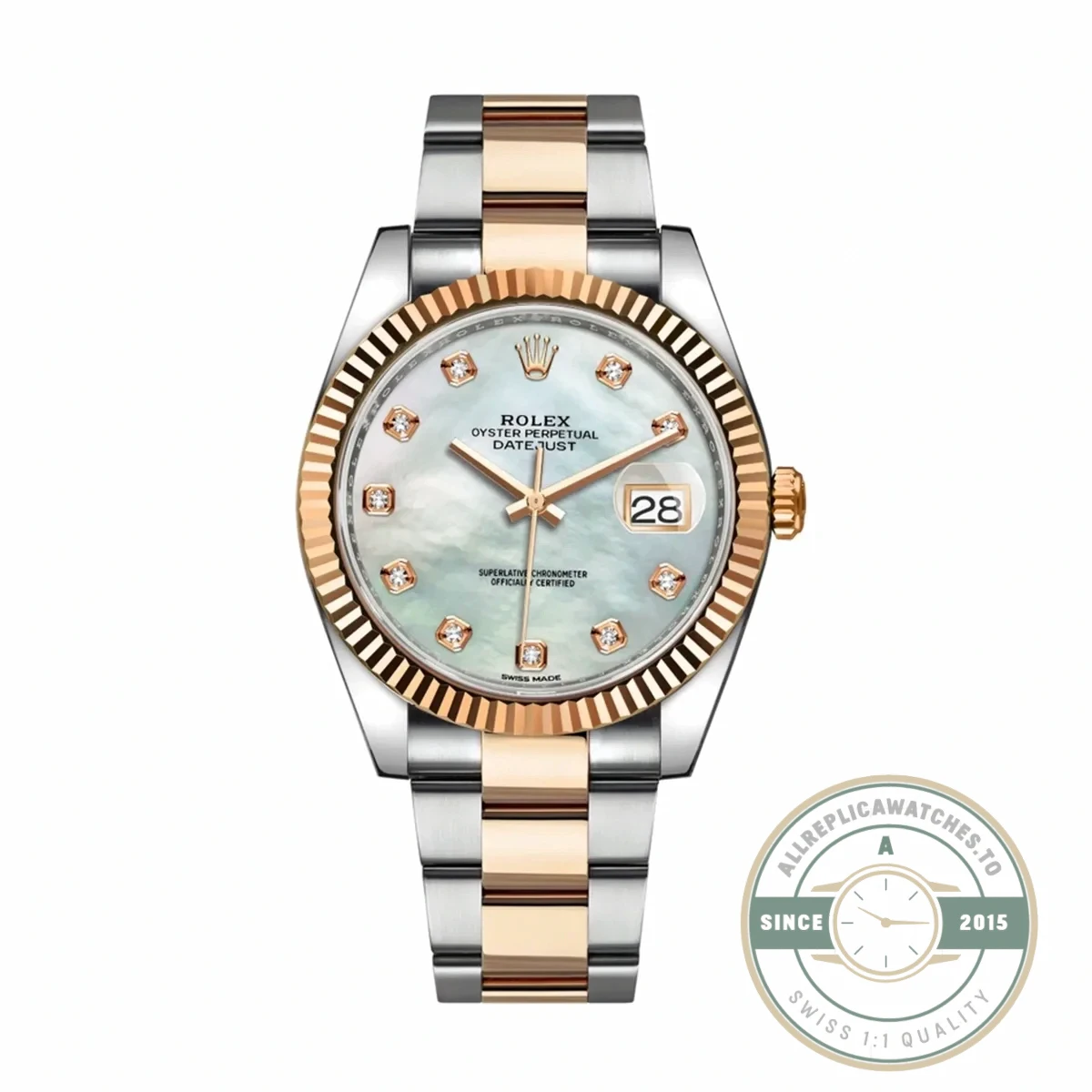
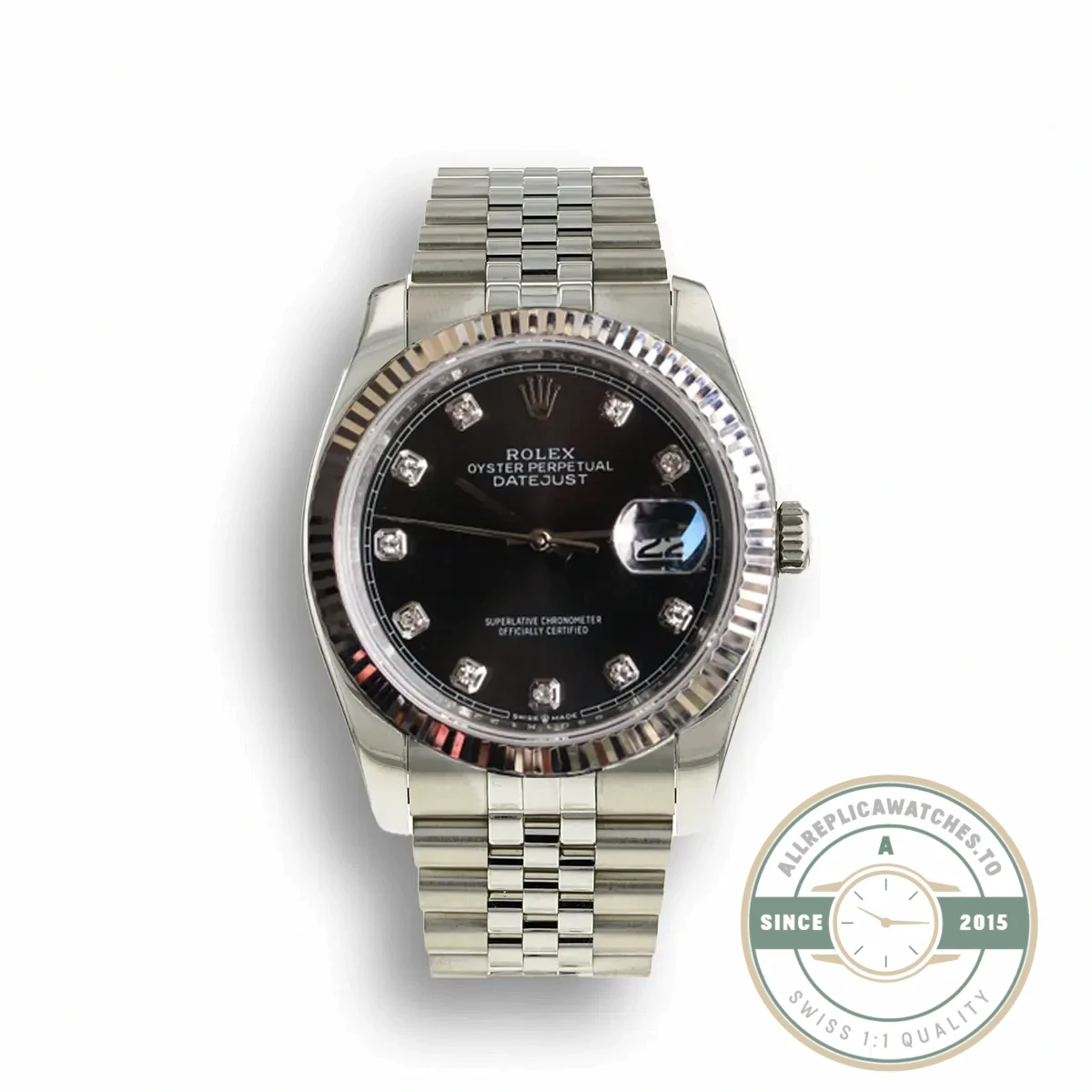
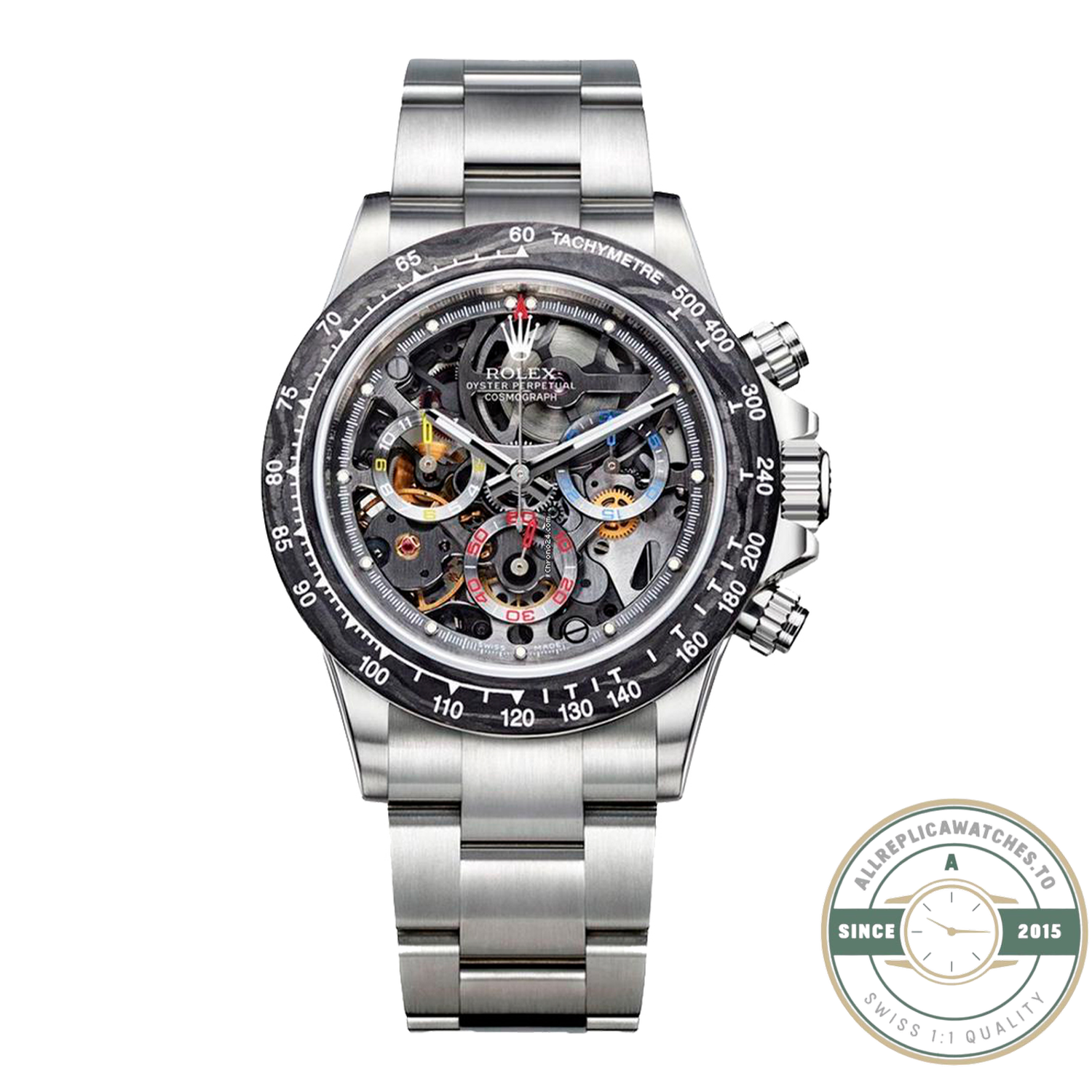
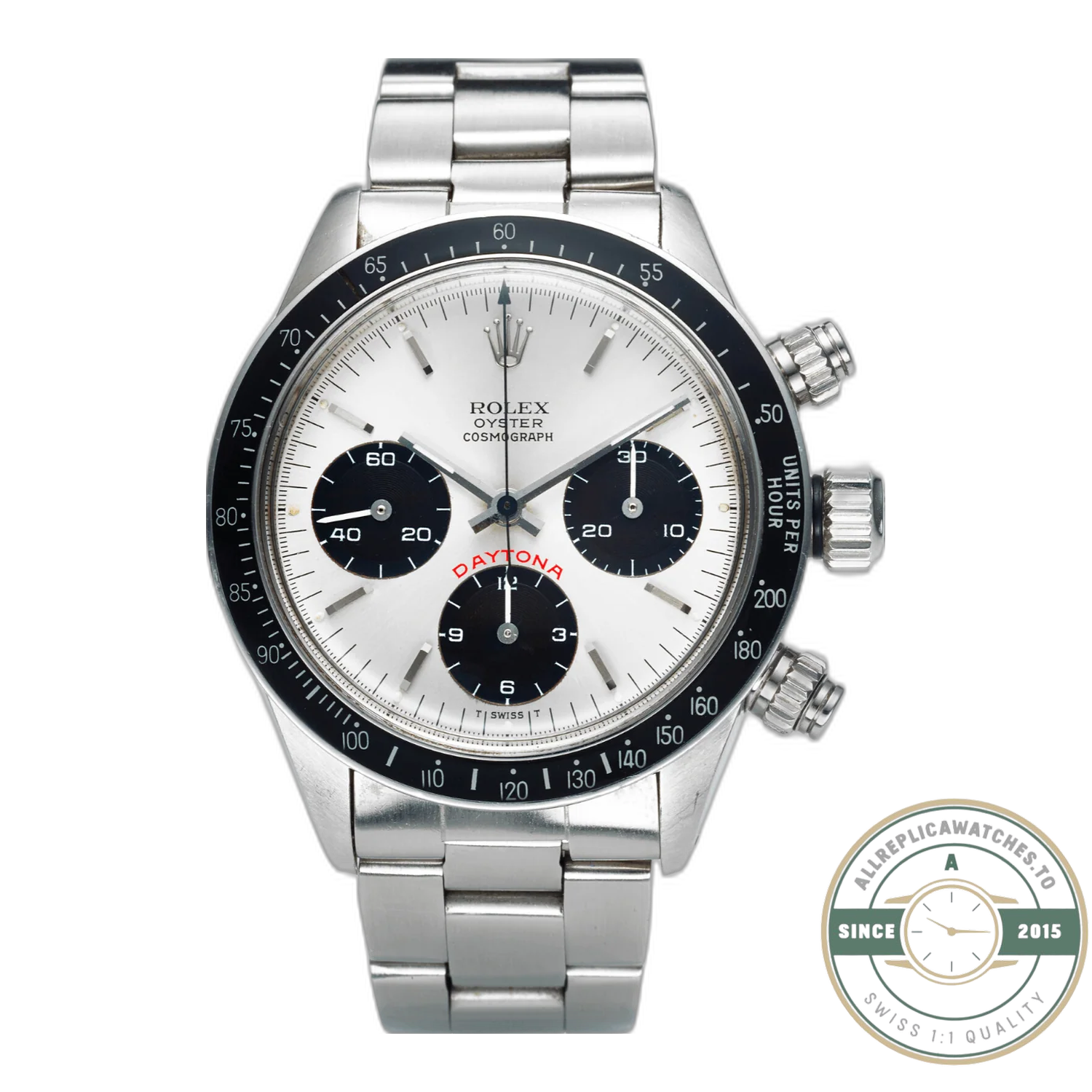
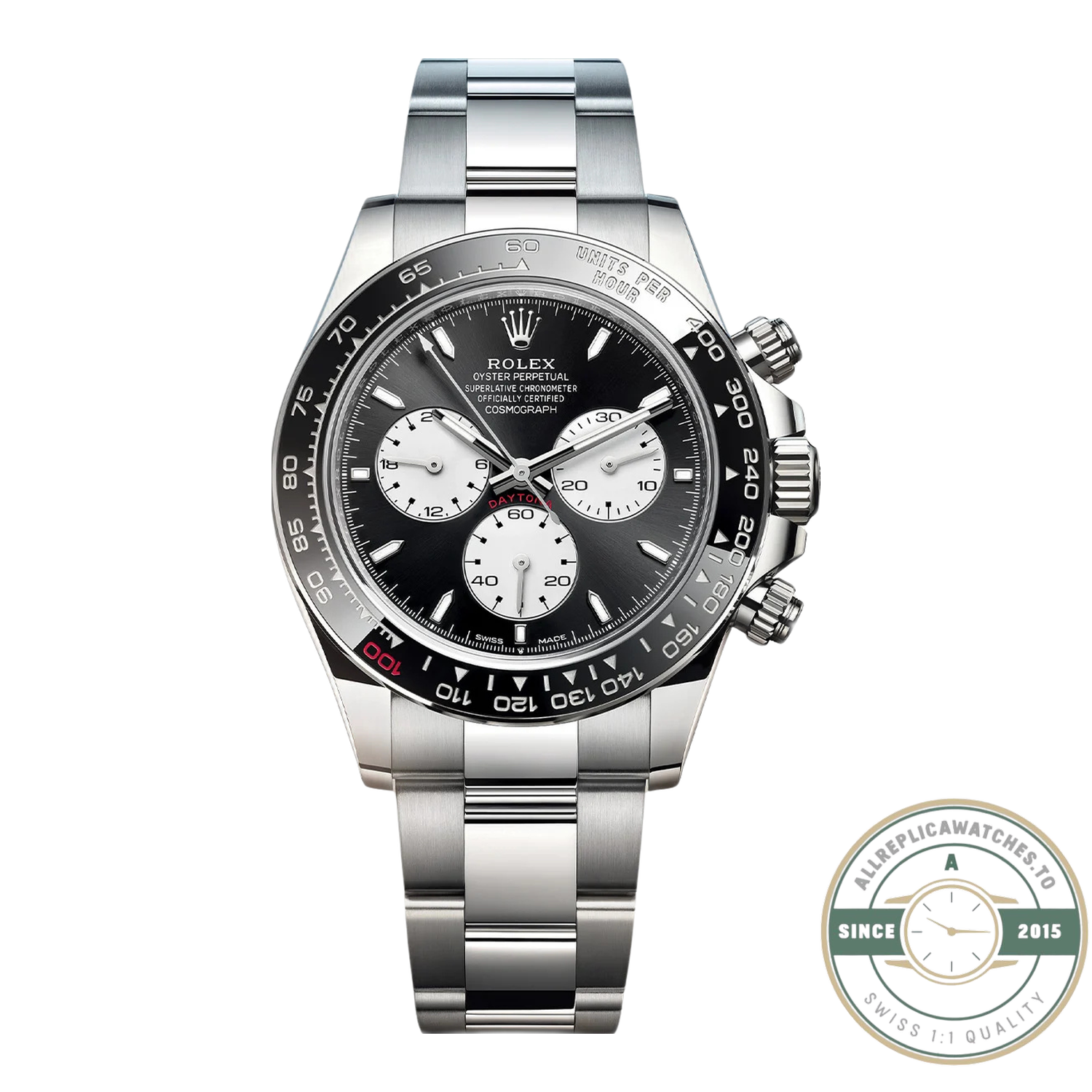
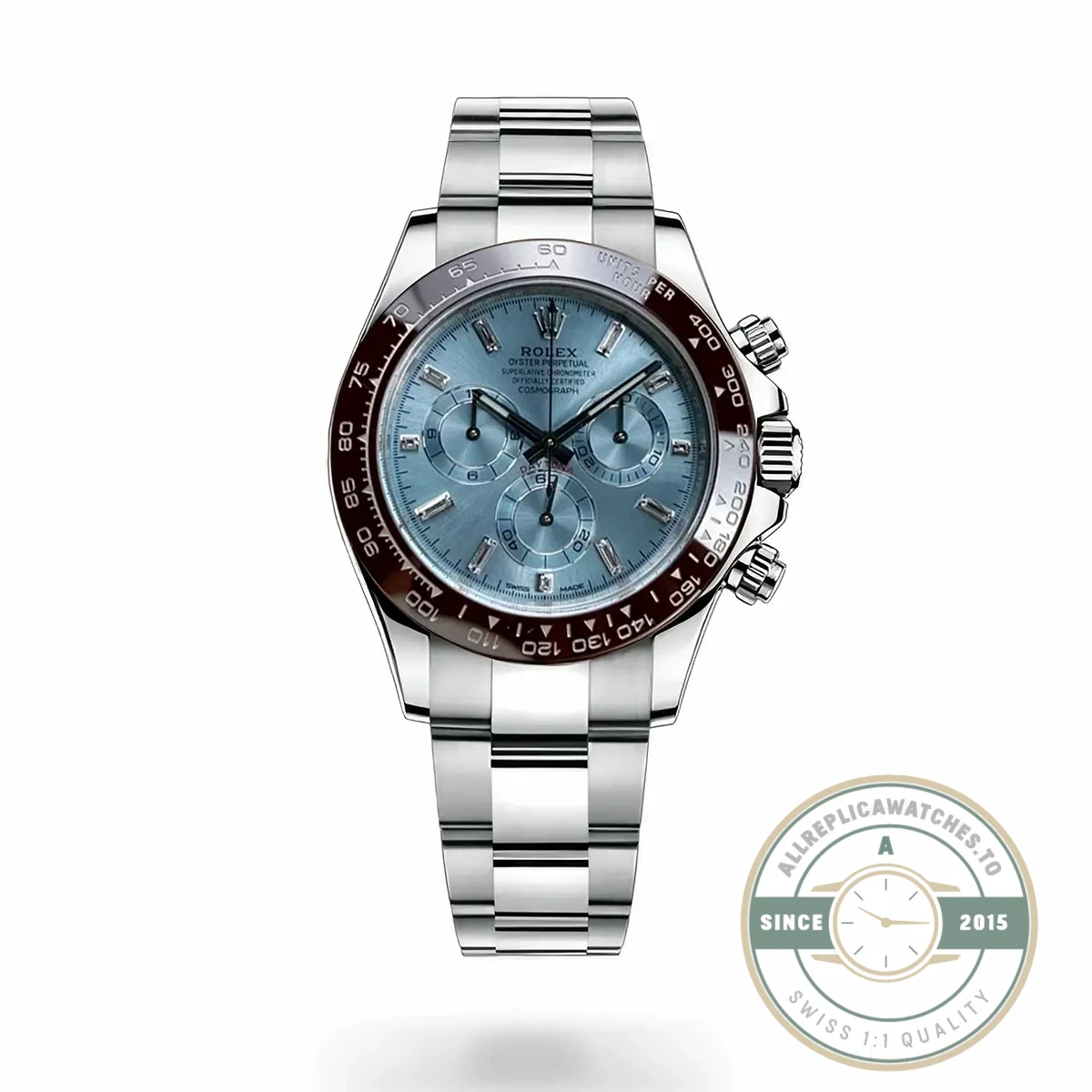
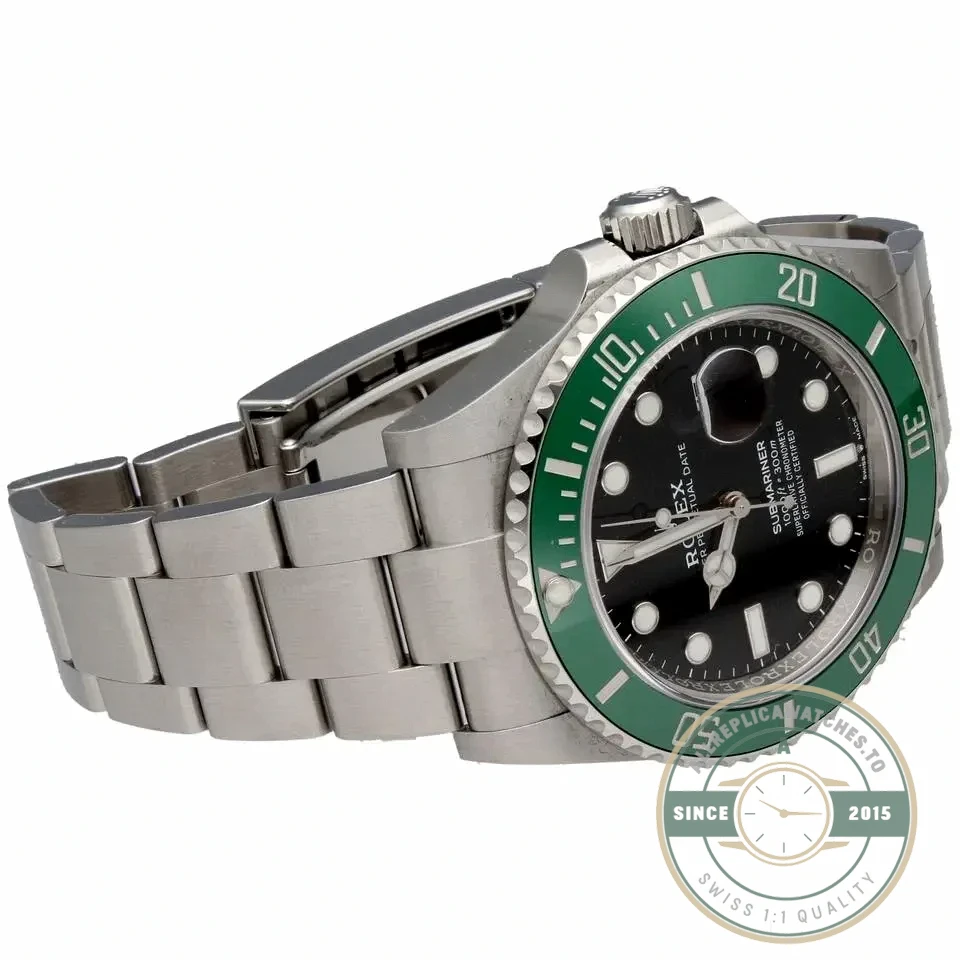
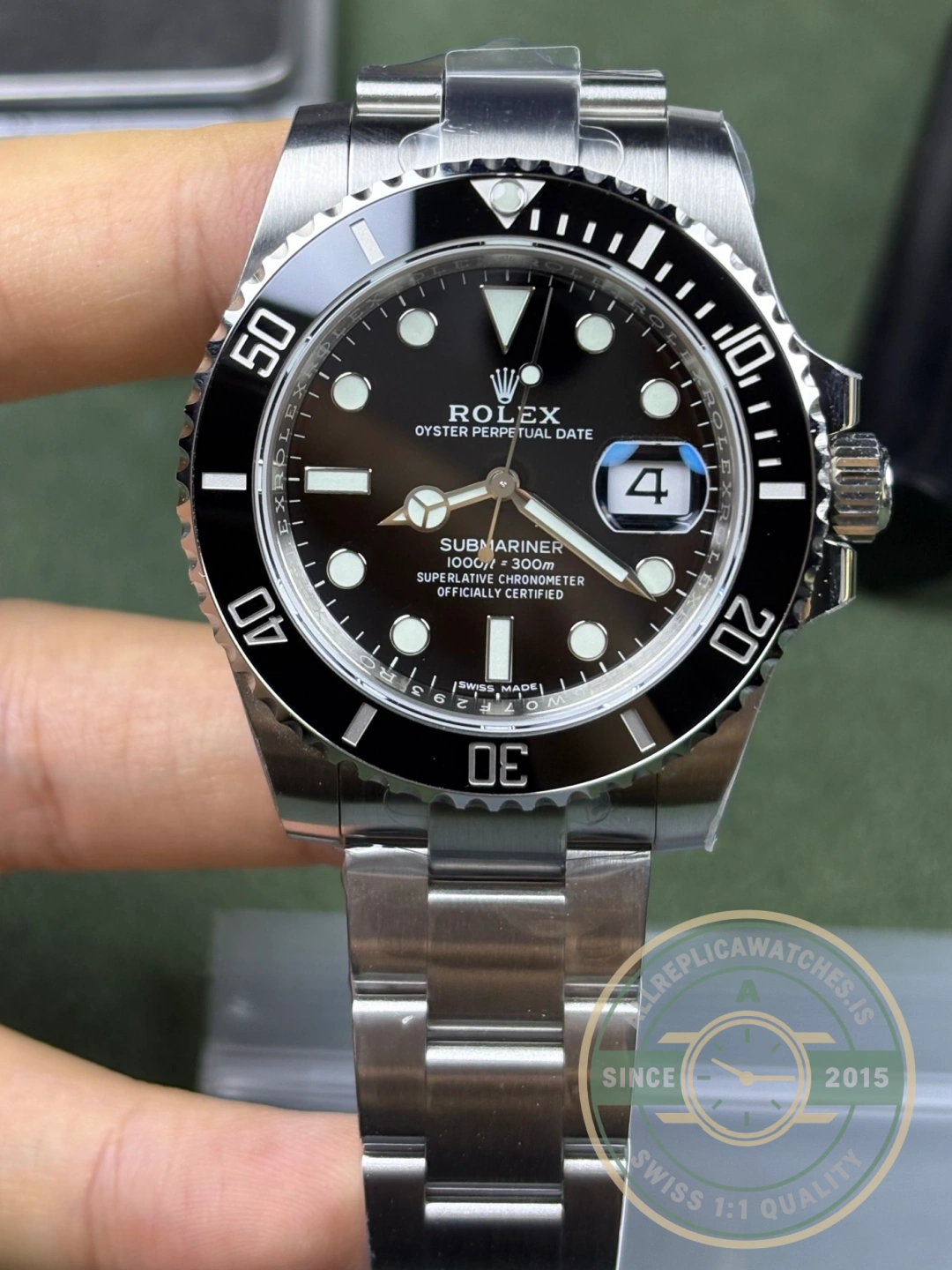
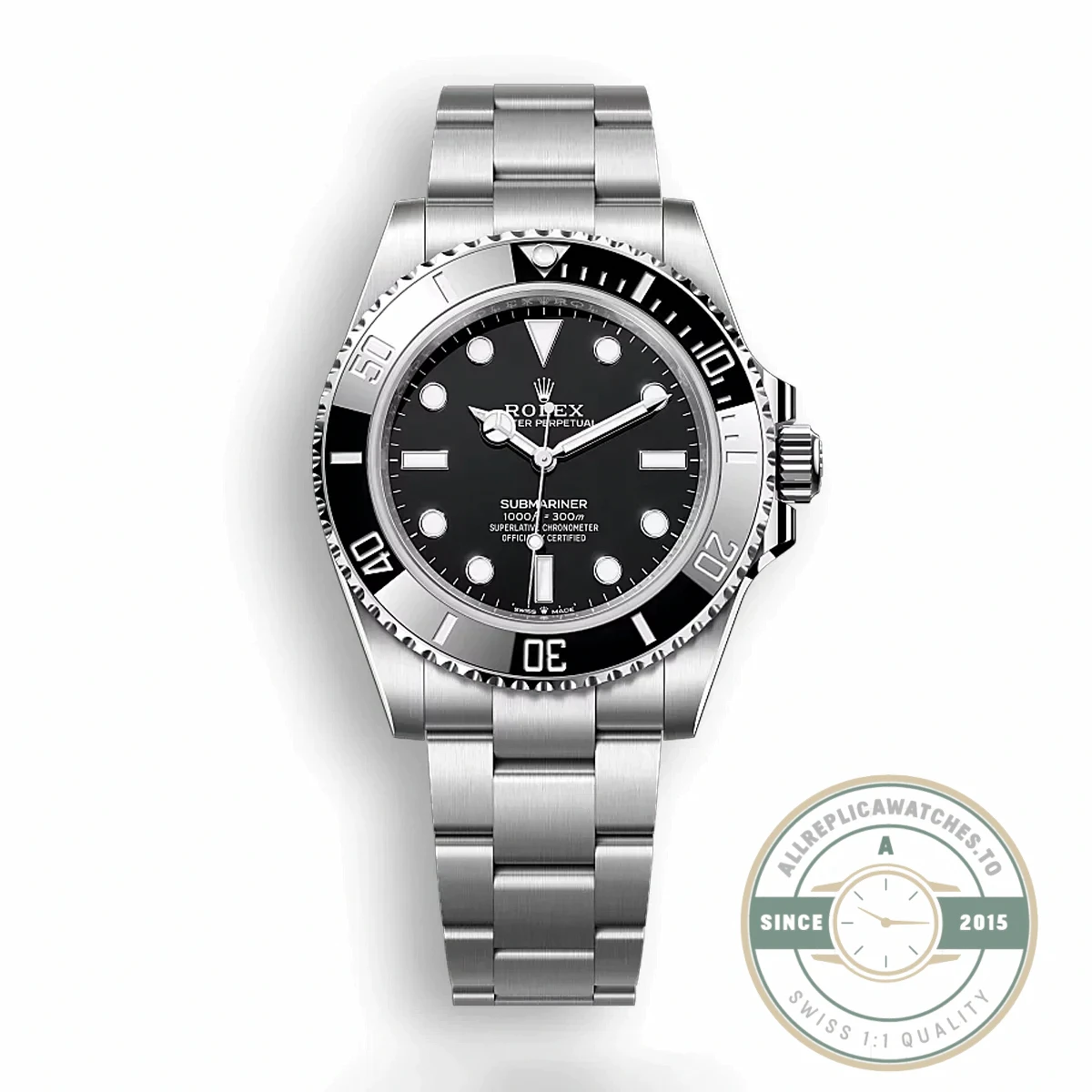
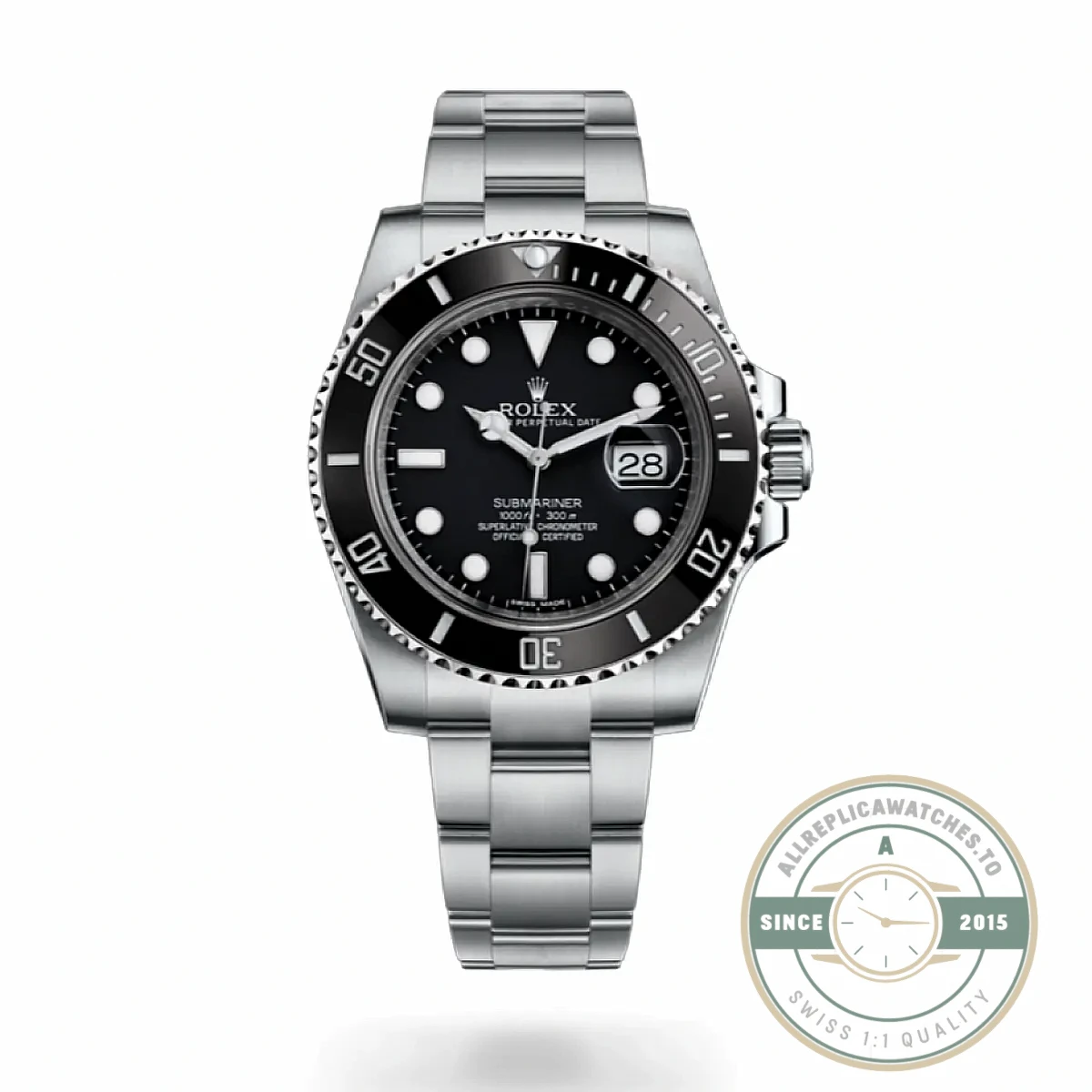
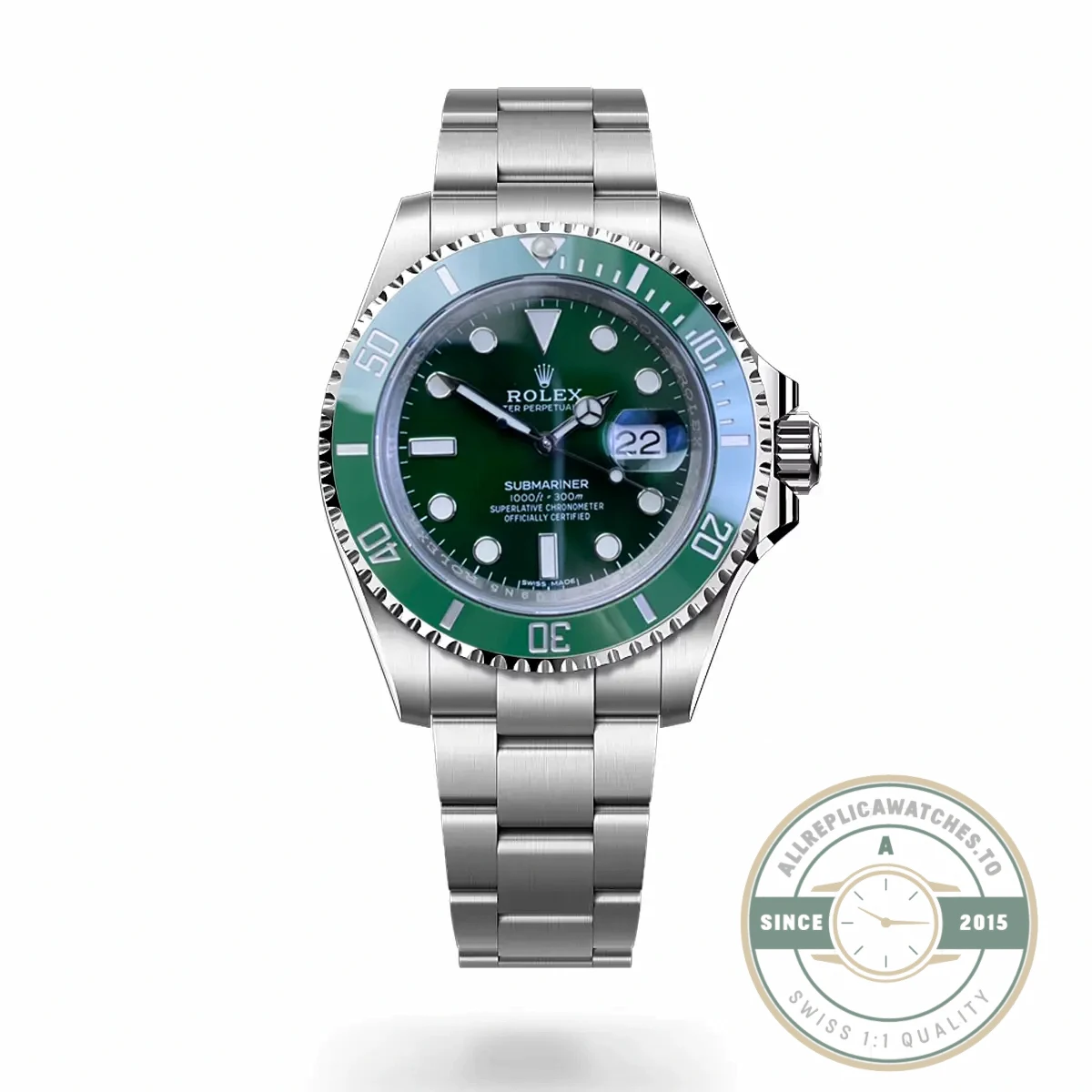
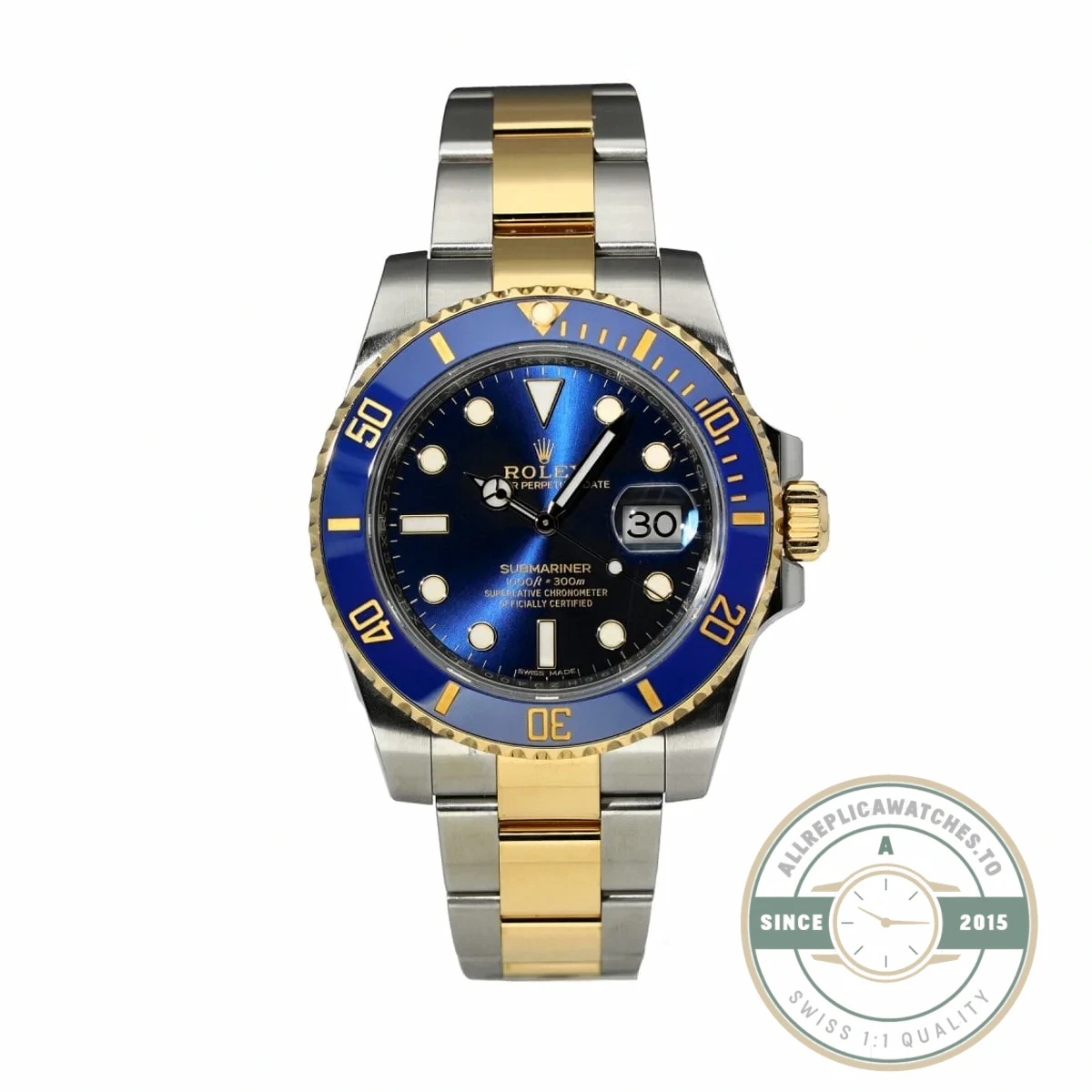
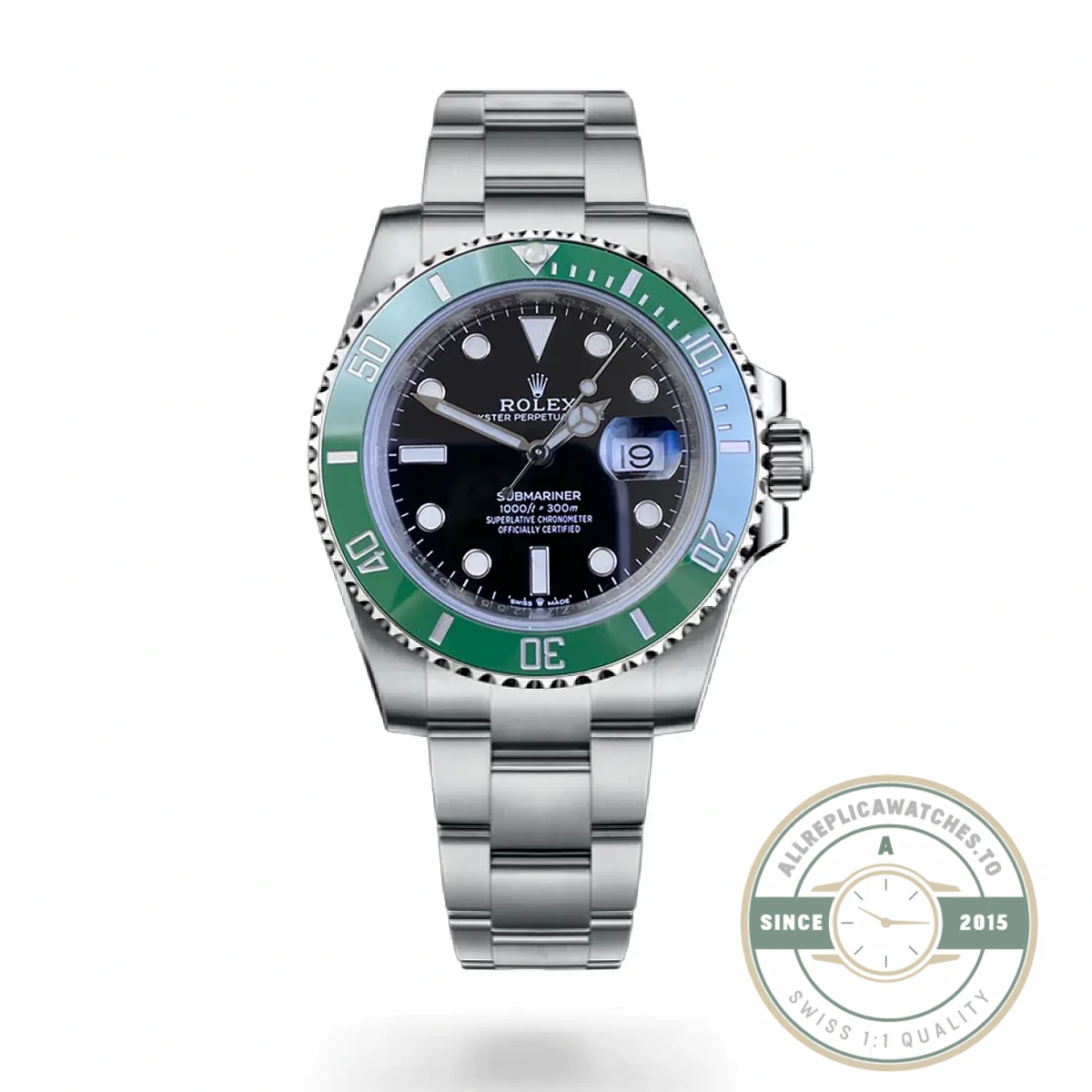
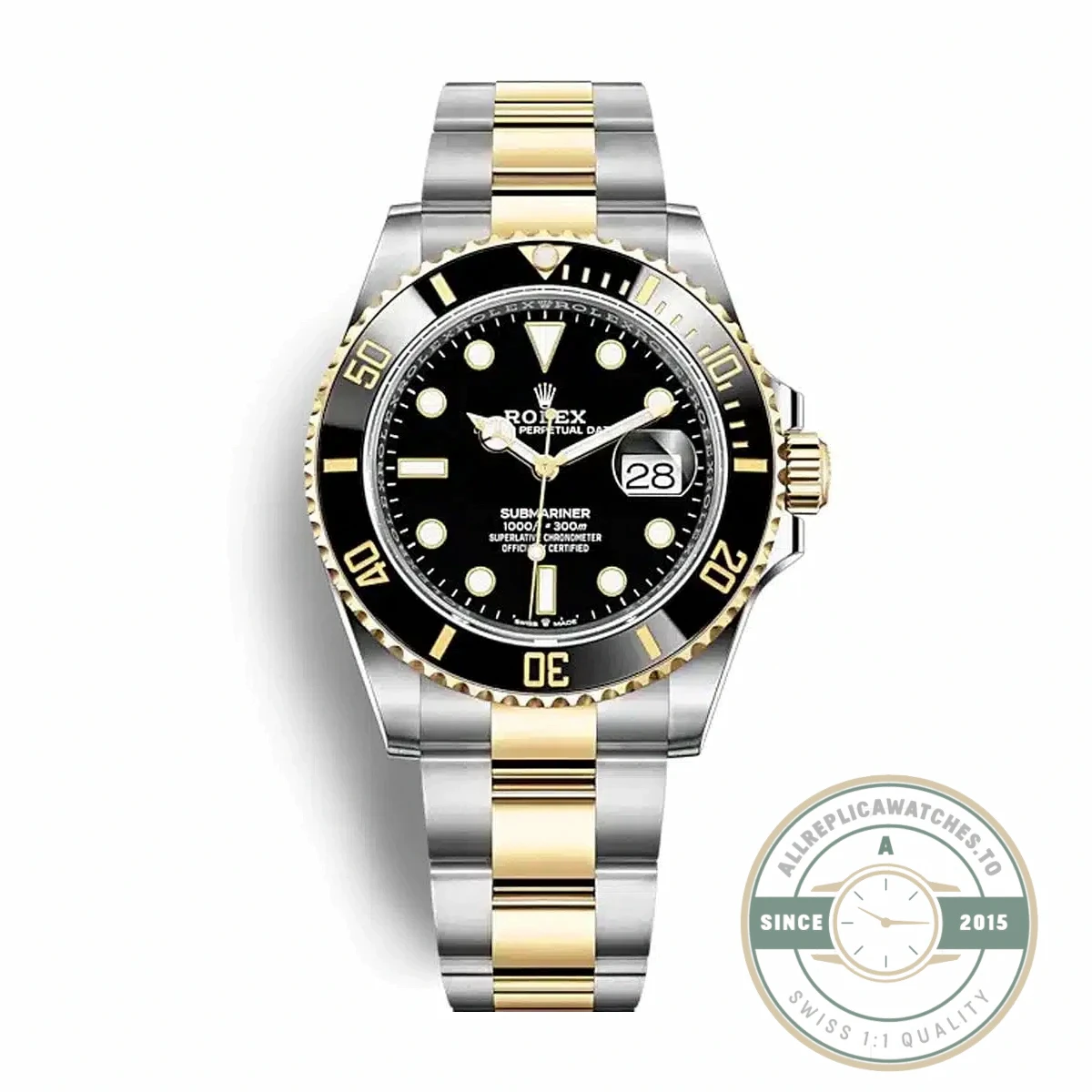
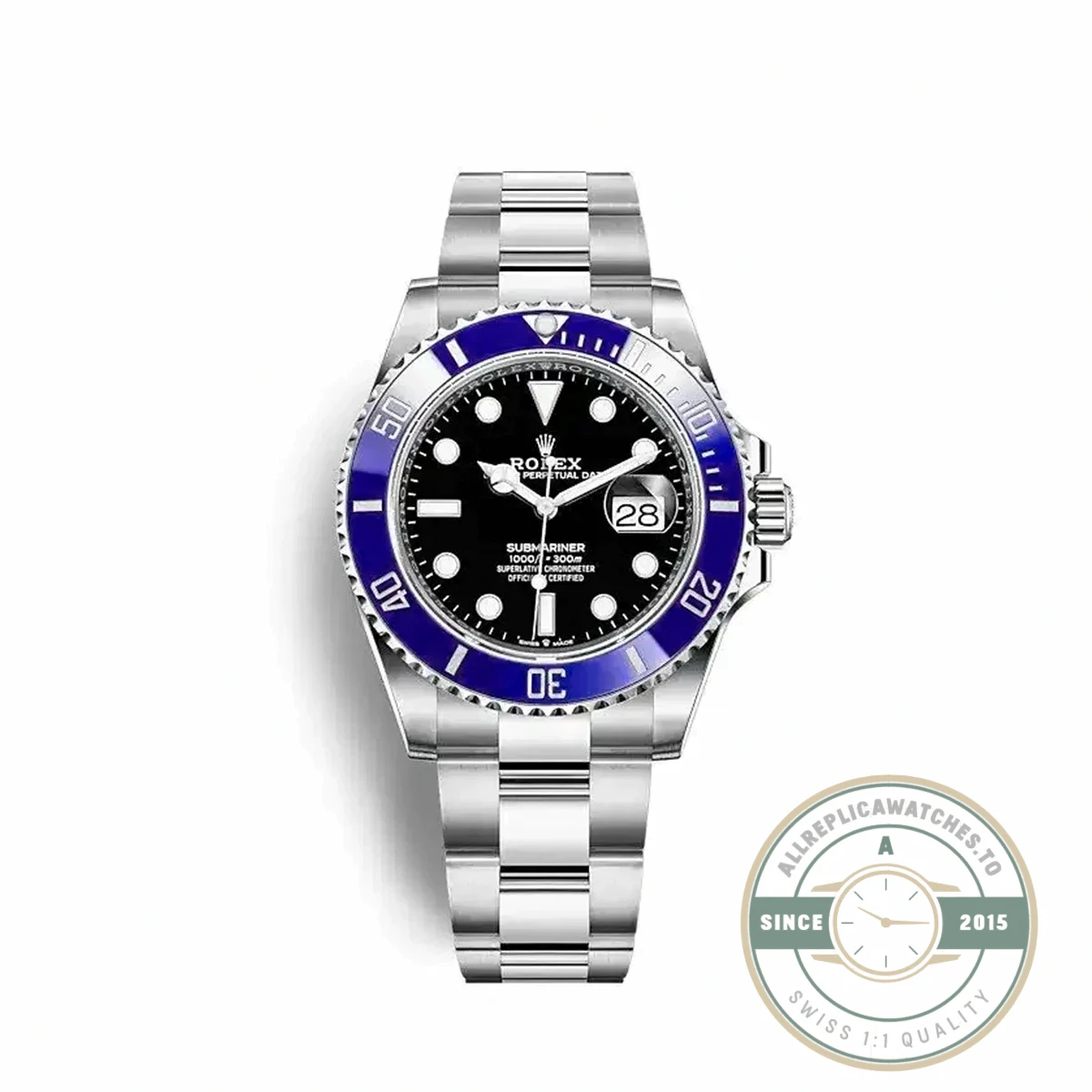
The Oyster is visually straightforward. Three wide links create a continuous line from the case to the clasp, while brushed and polished finishes vary by model. On a Submariner it reinforces a tool-watch feeling; on a Datejust it creates a calmer, more contemporary appearance.
For someone who wears a watch to the office, on weekends and while travelling, this is often the easiest style to live with. The relatively broad surfaces are simple to wipe clean, the shape works with casual clothes, and it does not compete visually with a colourful dial or bezel.
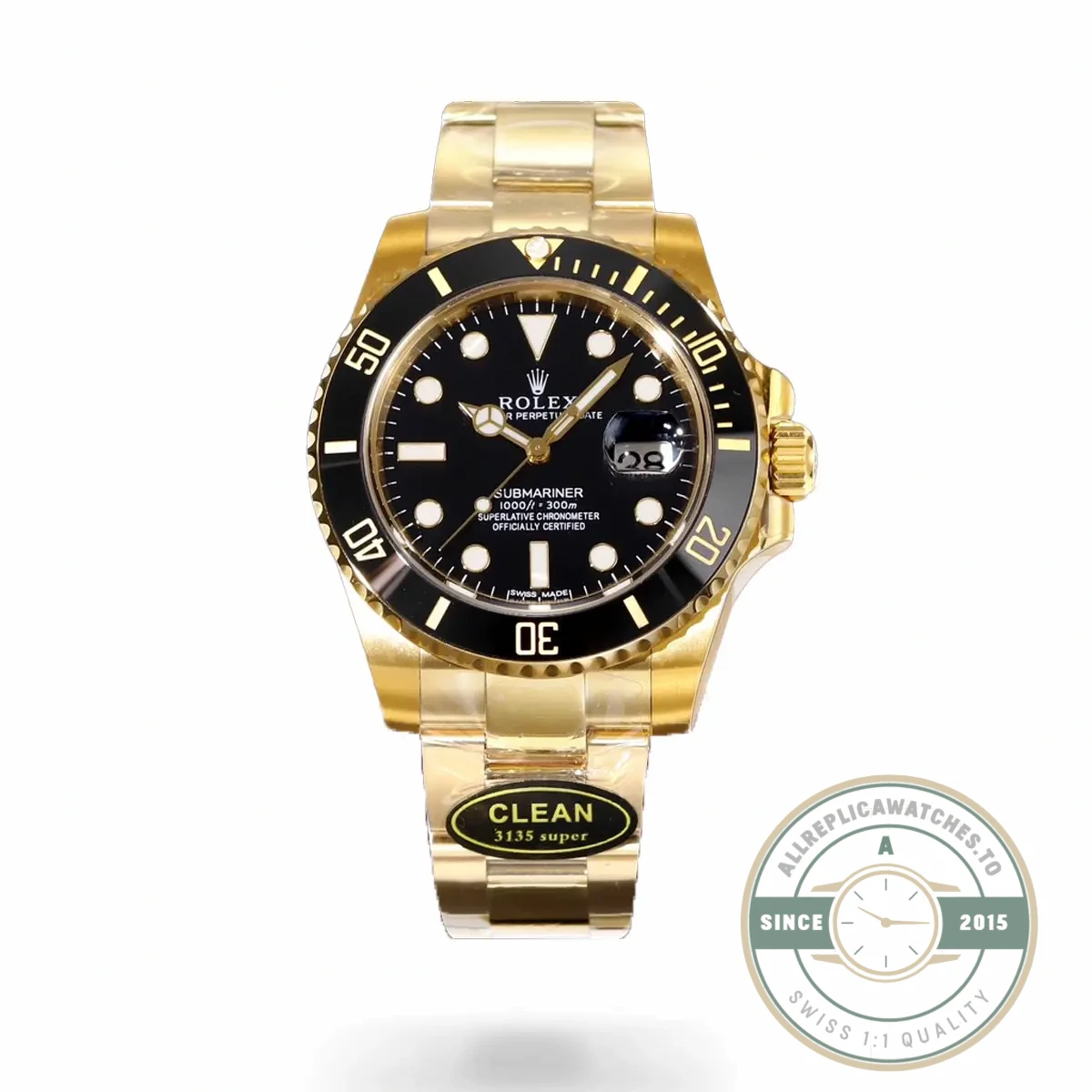
That does not mean all Oyster bracelets feel identical. The weight of the case, bracelet taper, finishing, number of removable links and clasp design all affect the result. A steel Oyster on a Submariner and a precious-metal Oyster on another model can feel notably different.
Best for: A first Rolex-style watch, a clean sports-watch look, or anyone who prefers a simpler bracelet with fewer visual details.
Jubilee Bracelet: More Detail and a Dressier Feel
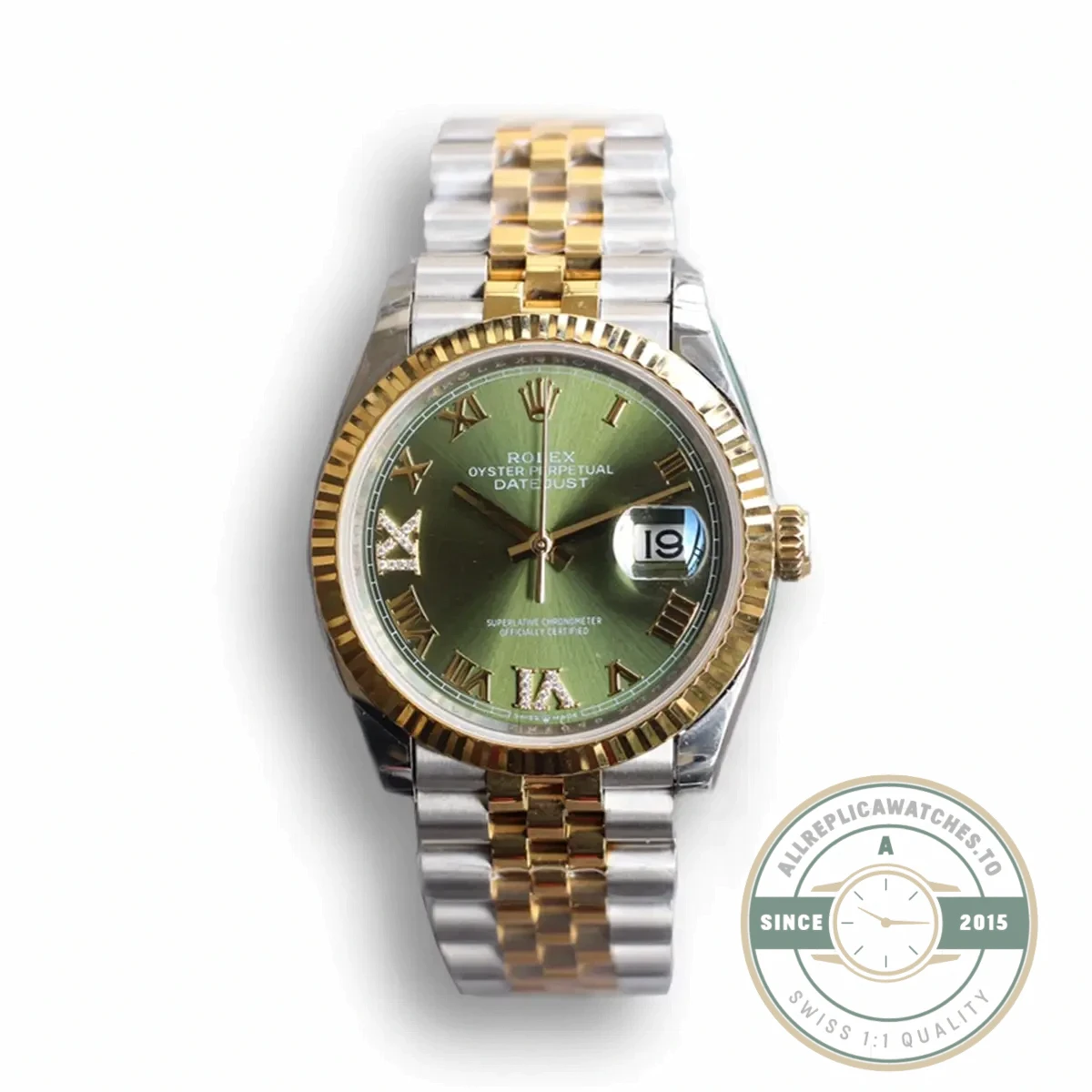
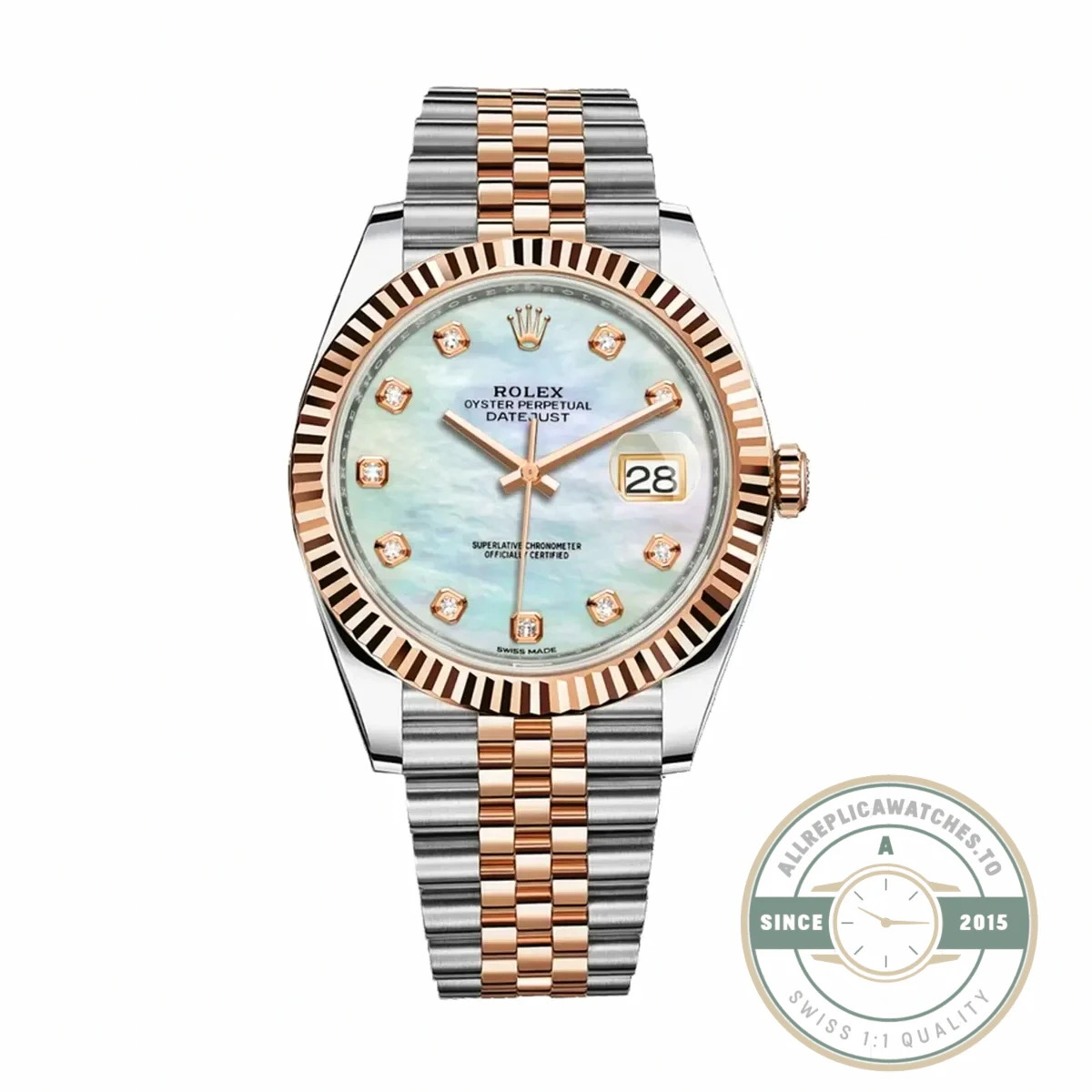
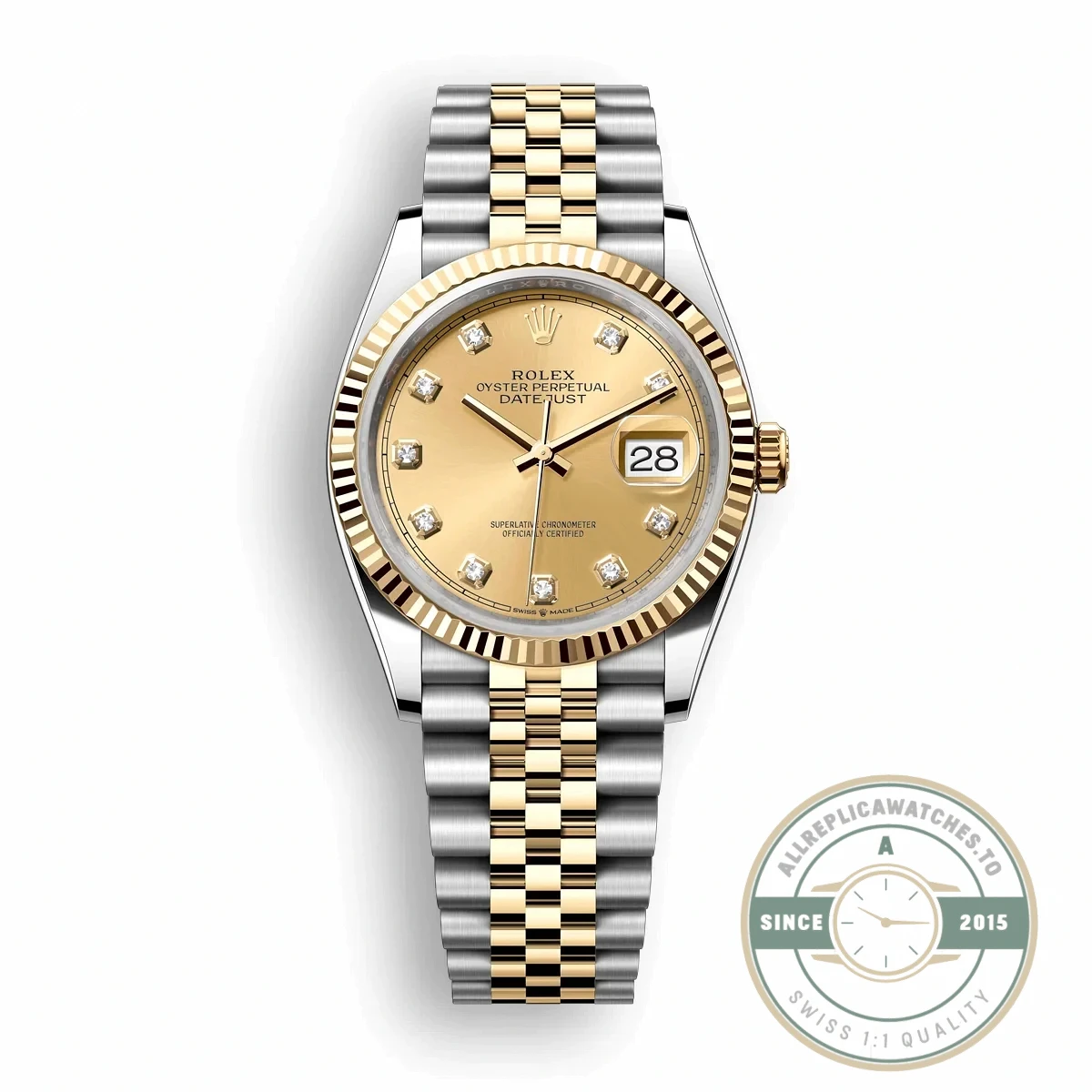
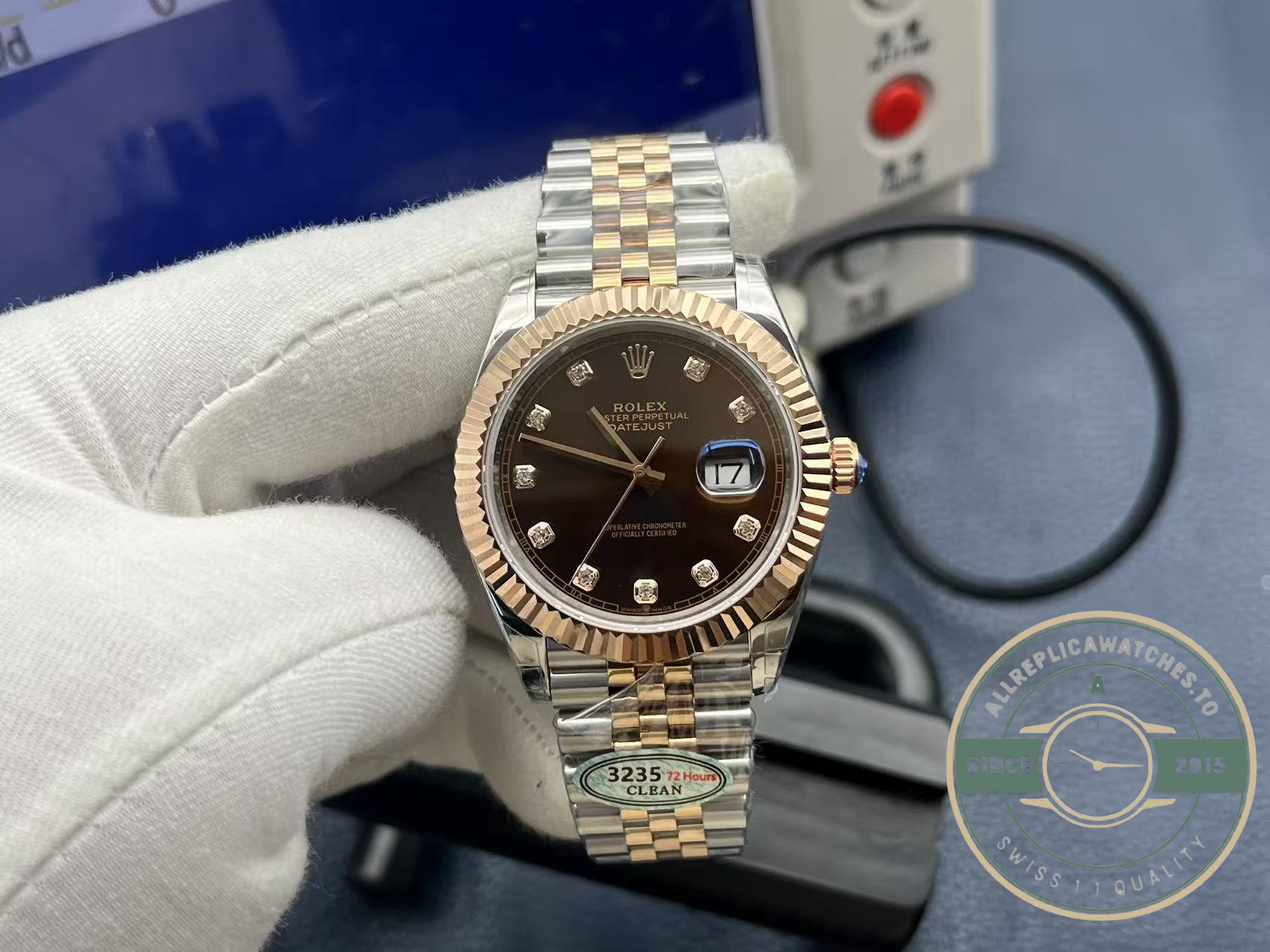
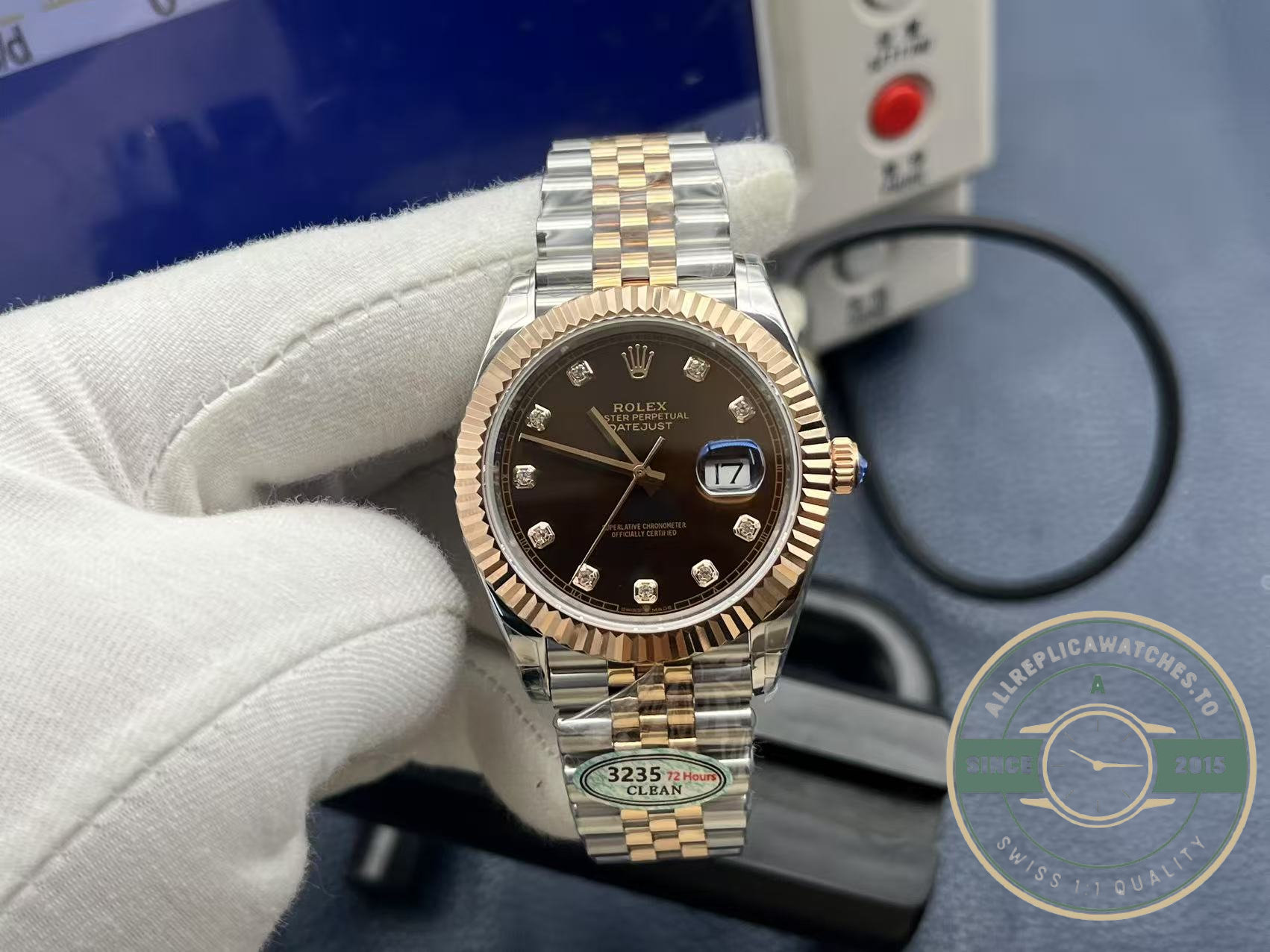
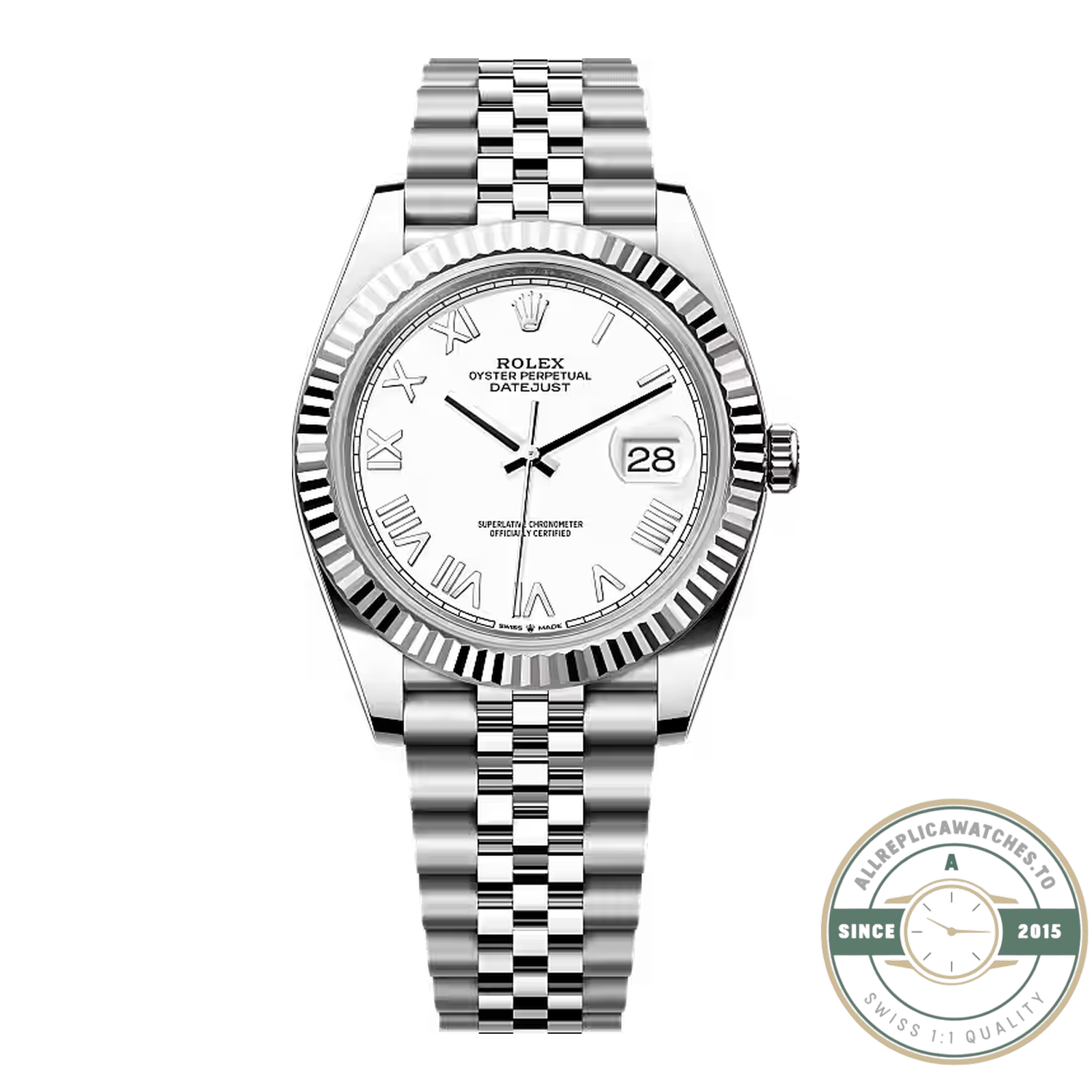
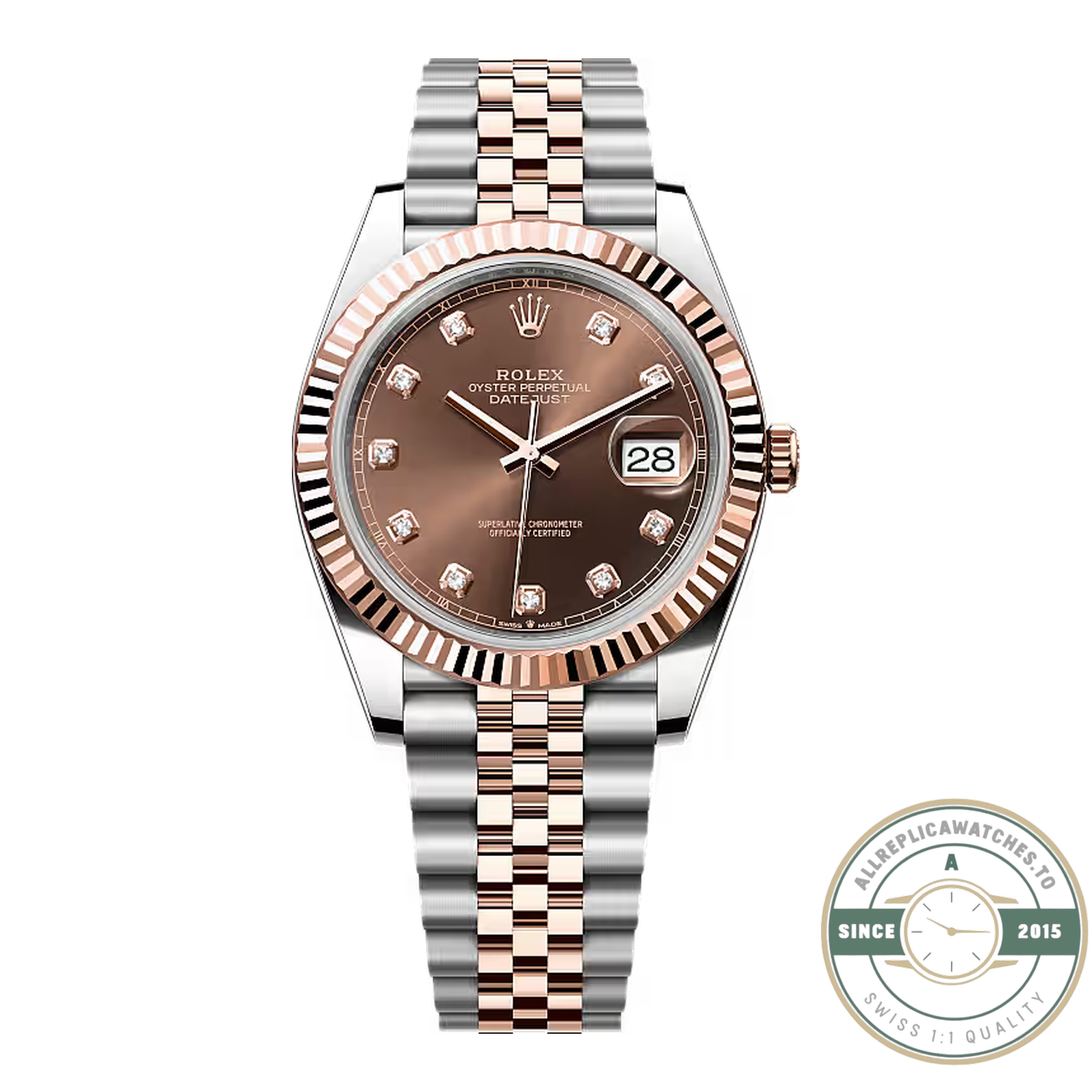
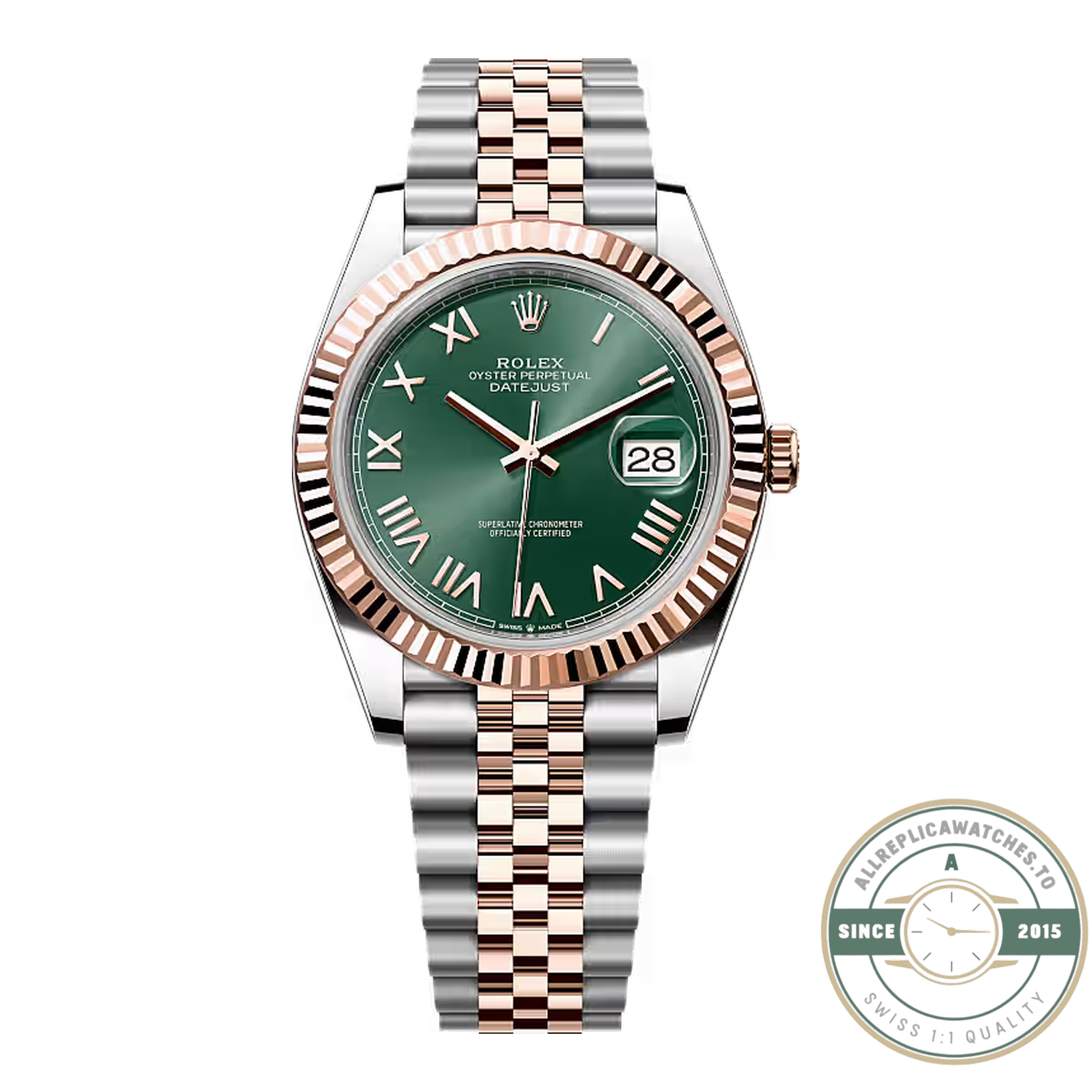
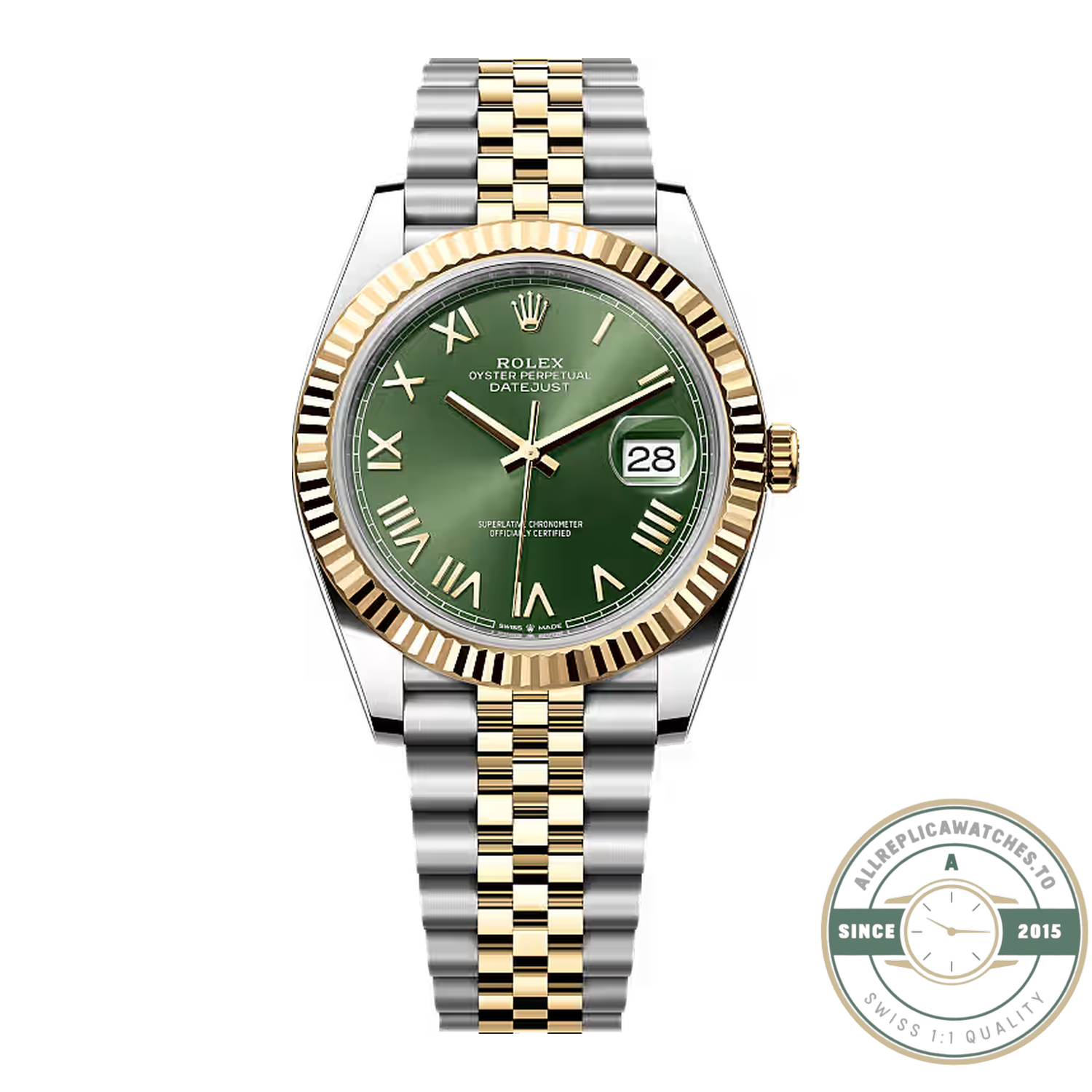
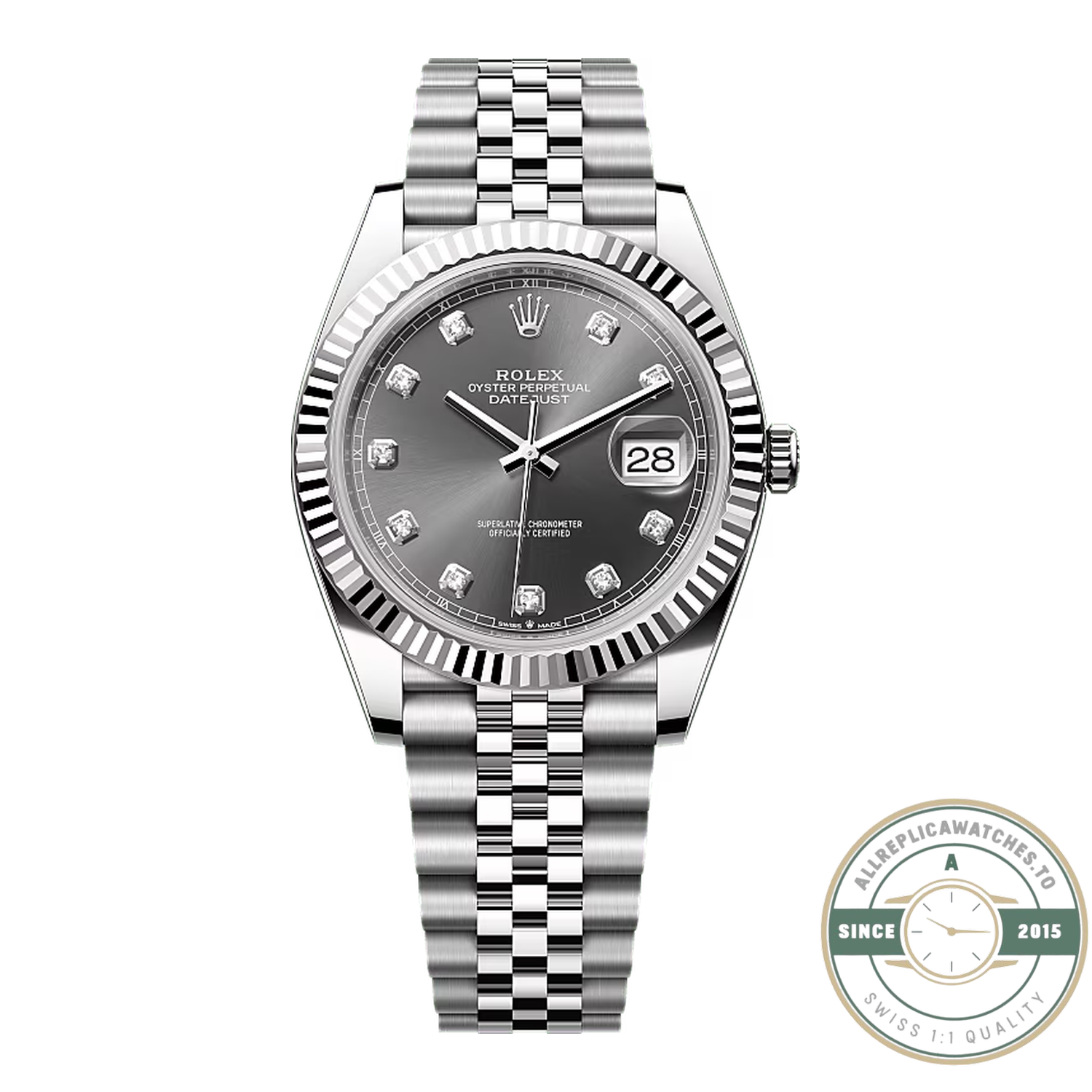
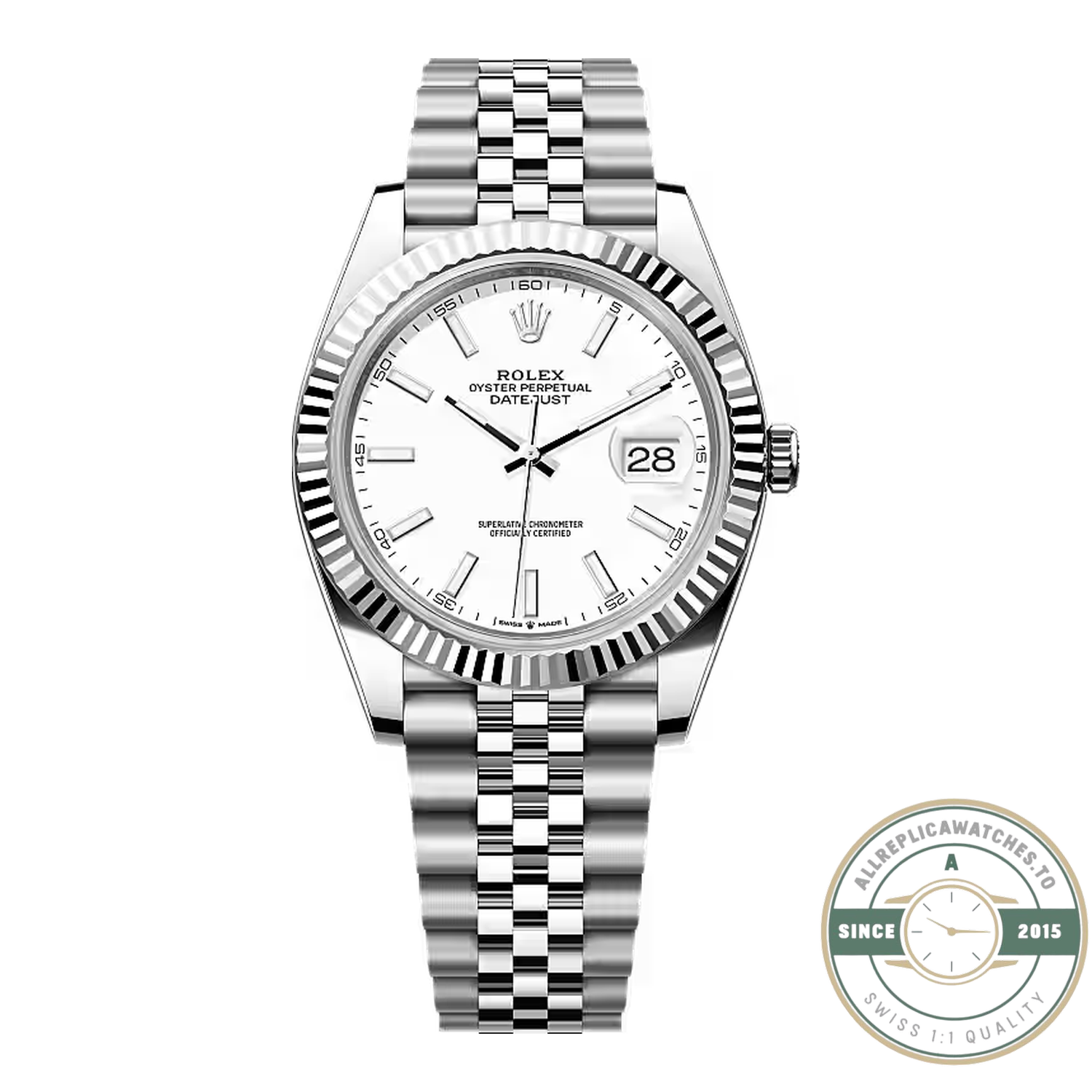
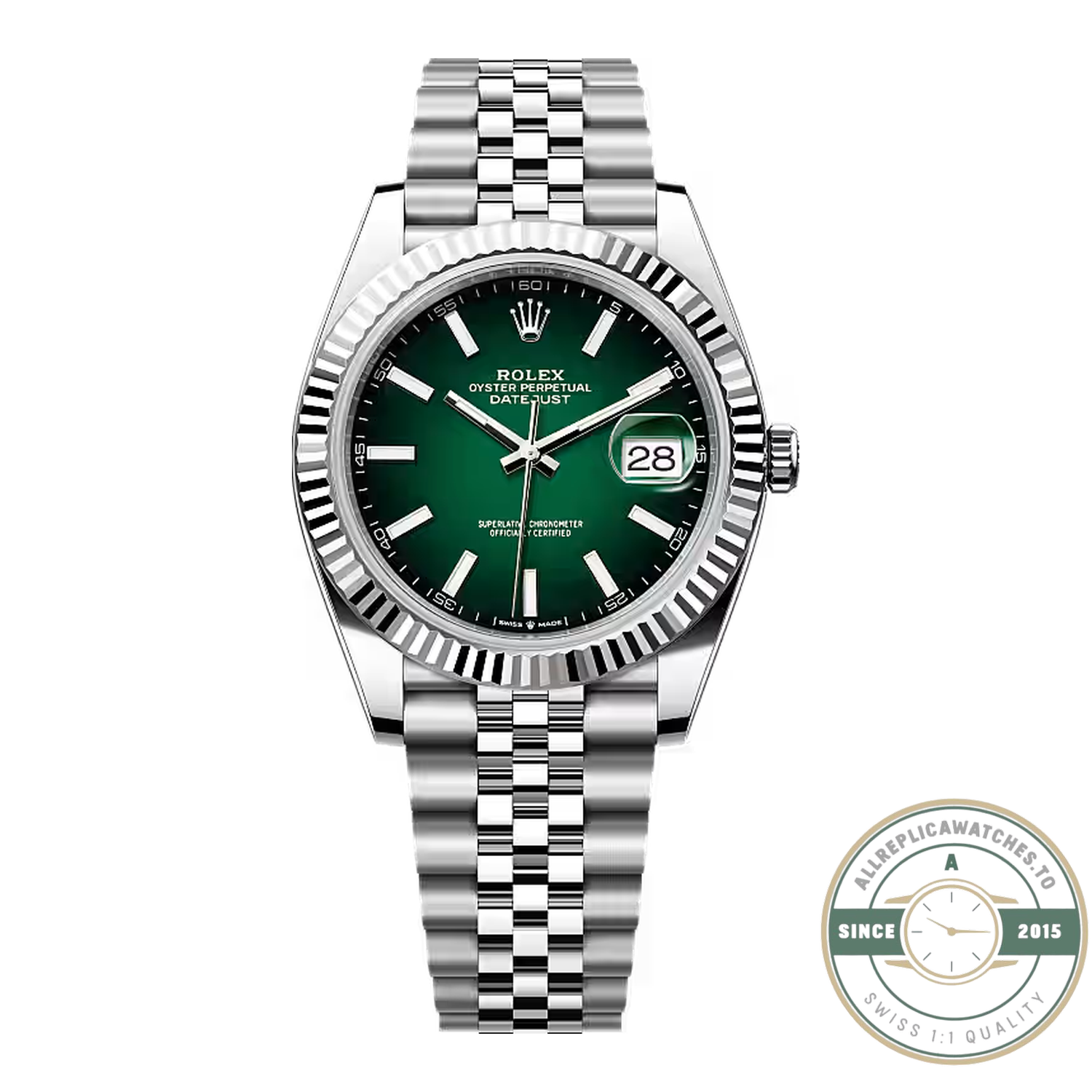
The Jubilee uses five link sections across each row instead of three. Those smaller elements allow the bracelet to articulate closely around the wrist, which is why many wearers find it especially supple. Its mixed reflective surfaces also give a watch more sparkle without changing the dial or bezel.
A Datejust with a Jubilee bracelet leans into the model’s 1945 heritage. On the GMT-Master II, the same bracelet adds polish to an otherwise technical watch. It works well with a fluted bezel, but a smooth-bezel Datejust on Jubilee can also look balanced and understated.
A common misconception is that the Jubilee is automatically fragile because it contains more pieces. Real-world longevity depends on construction quality, link and pin condition, fit and maintenance. More intricate finishing may make dirt or wear patterns noticeable in different places, but link count by itself is not a meaningful durability rating.
Best for: People who favour a classic Datejust look, want more wrist articulation, or enjoy a polished bracelet without choosing an all-gold watch.
President Bracelet: Rounded Links and Quiet Prestige
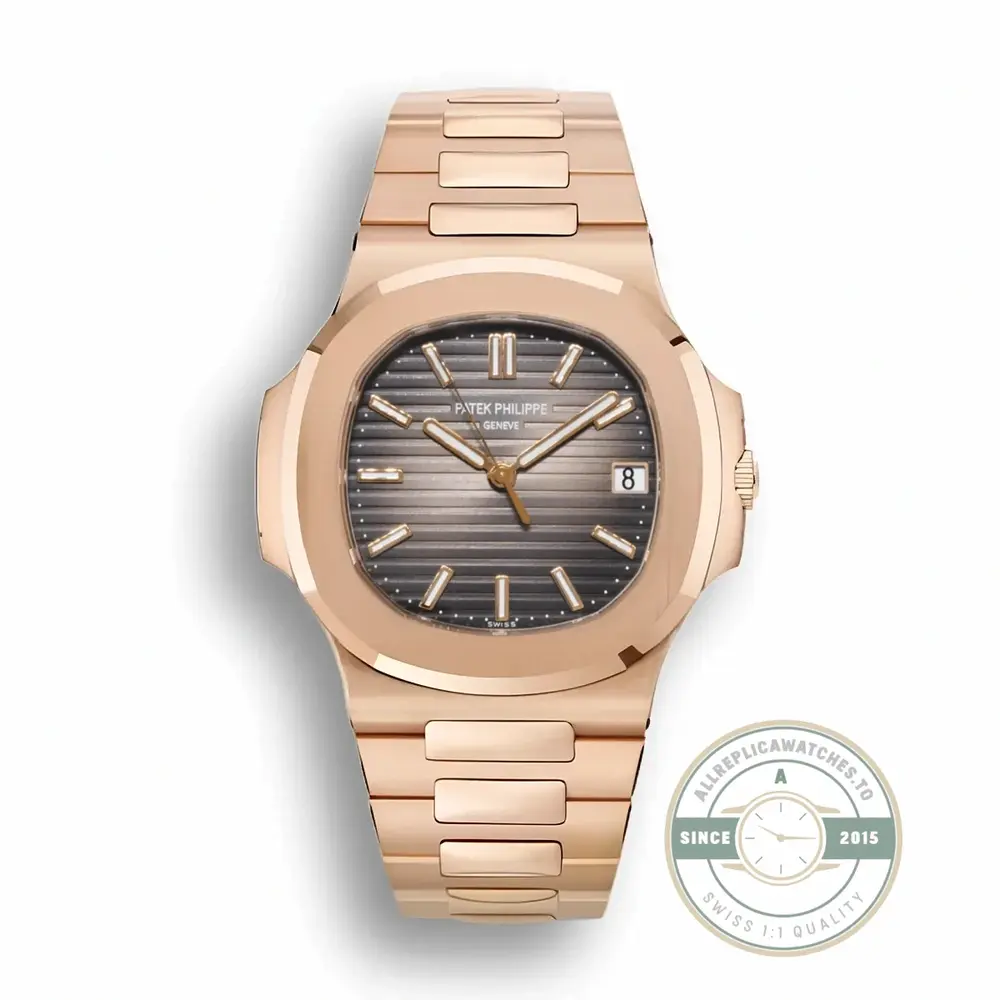
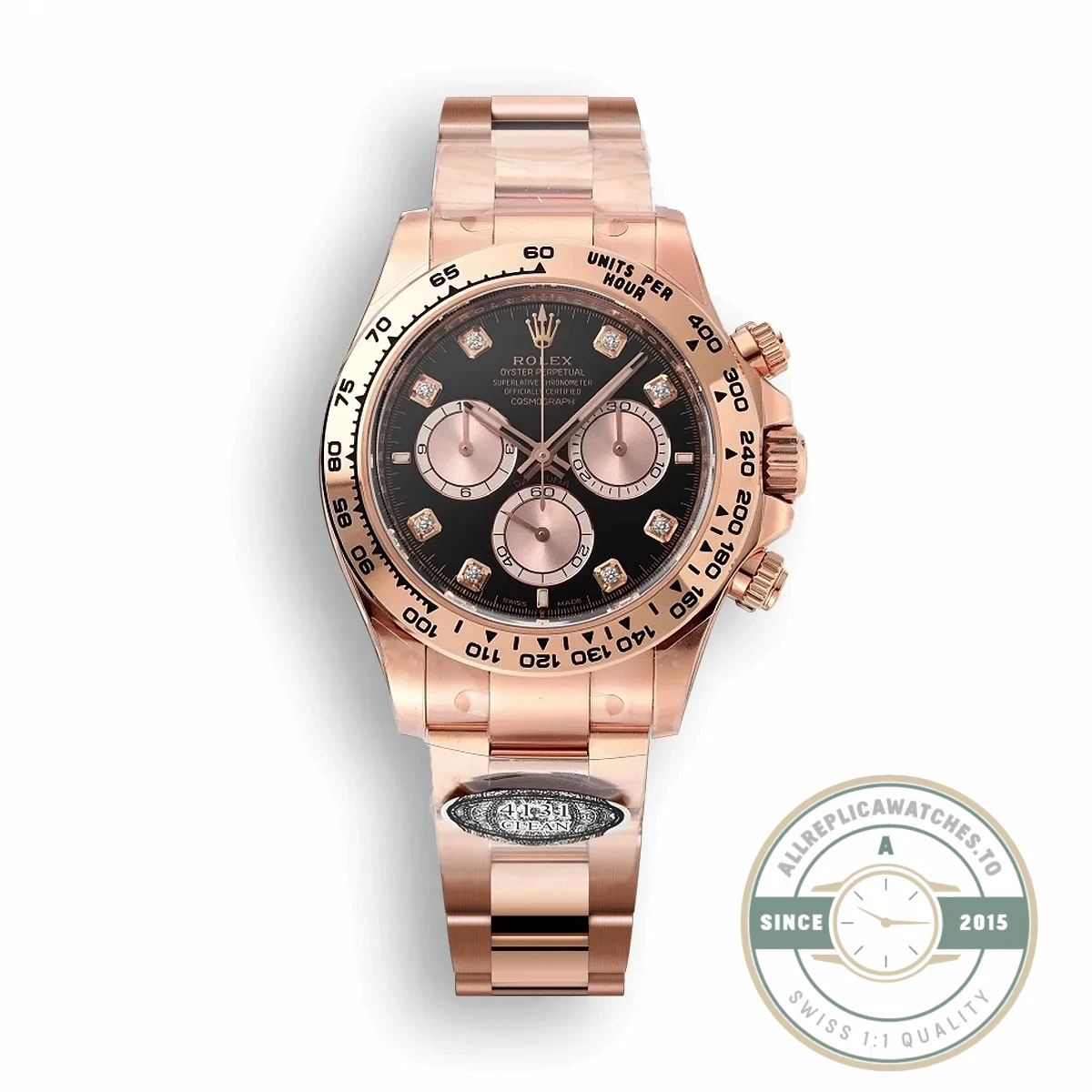
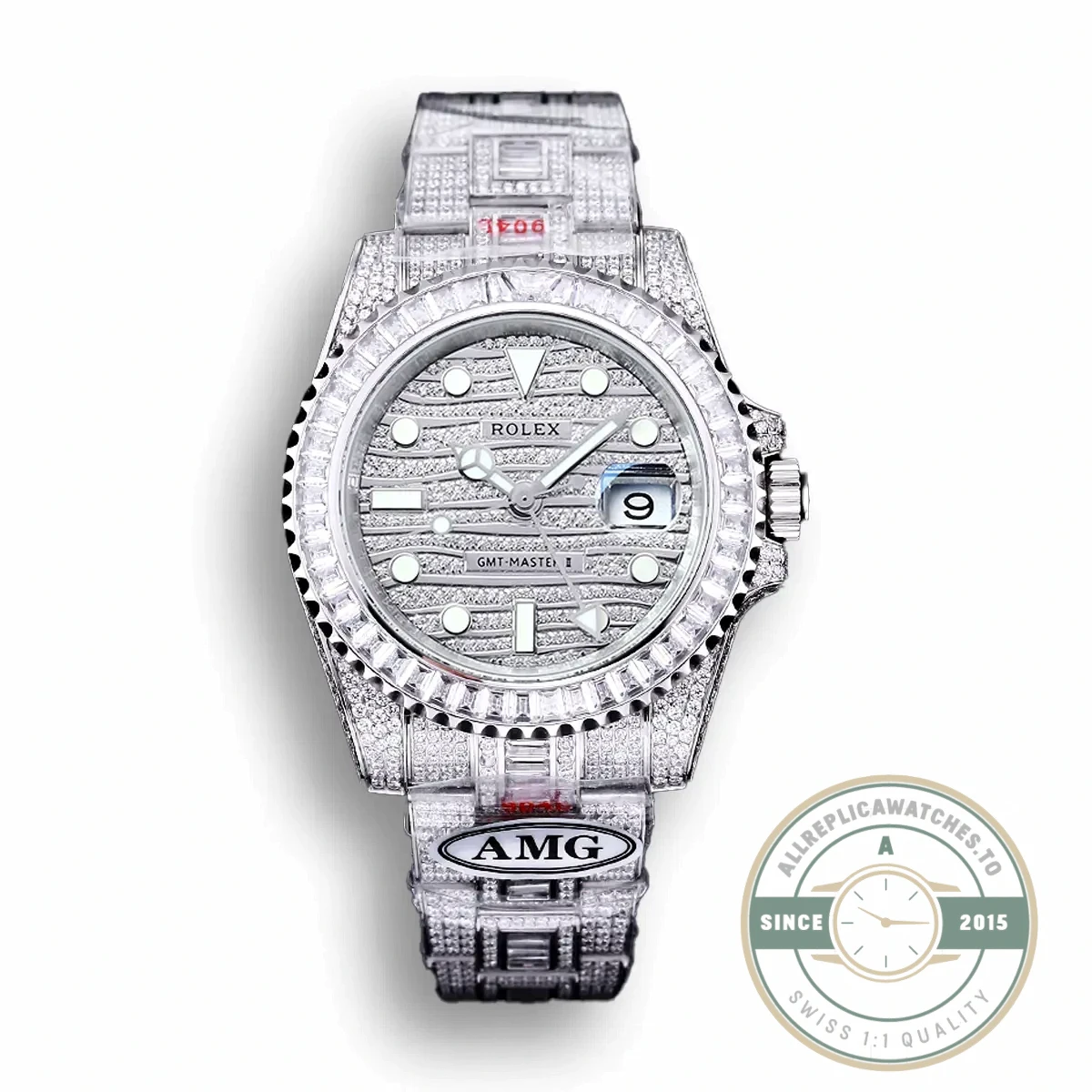
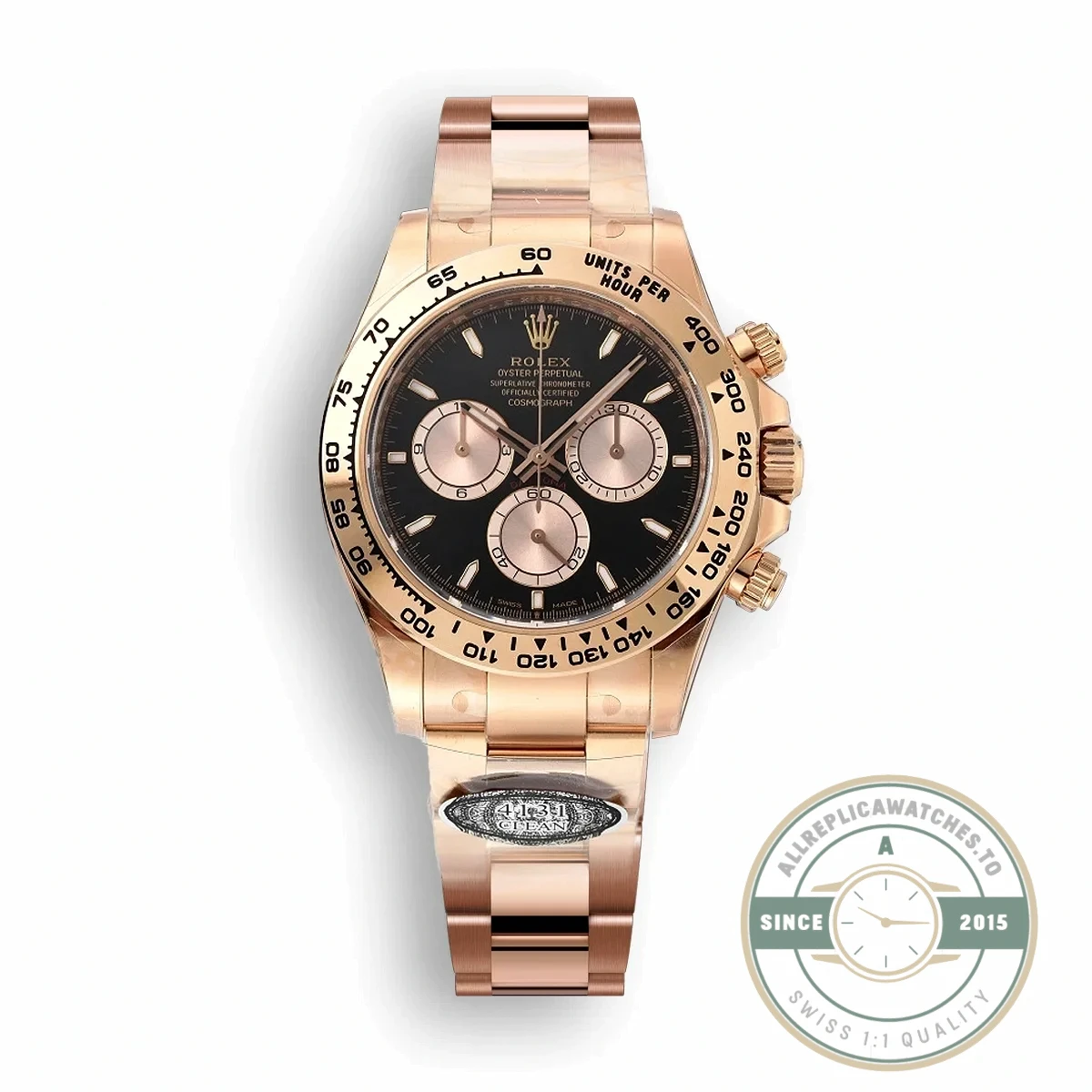
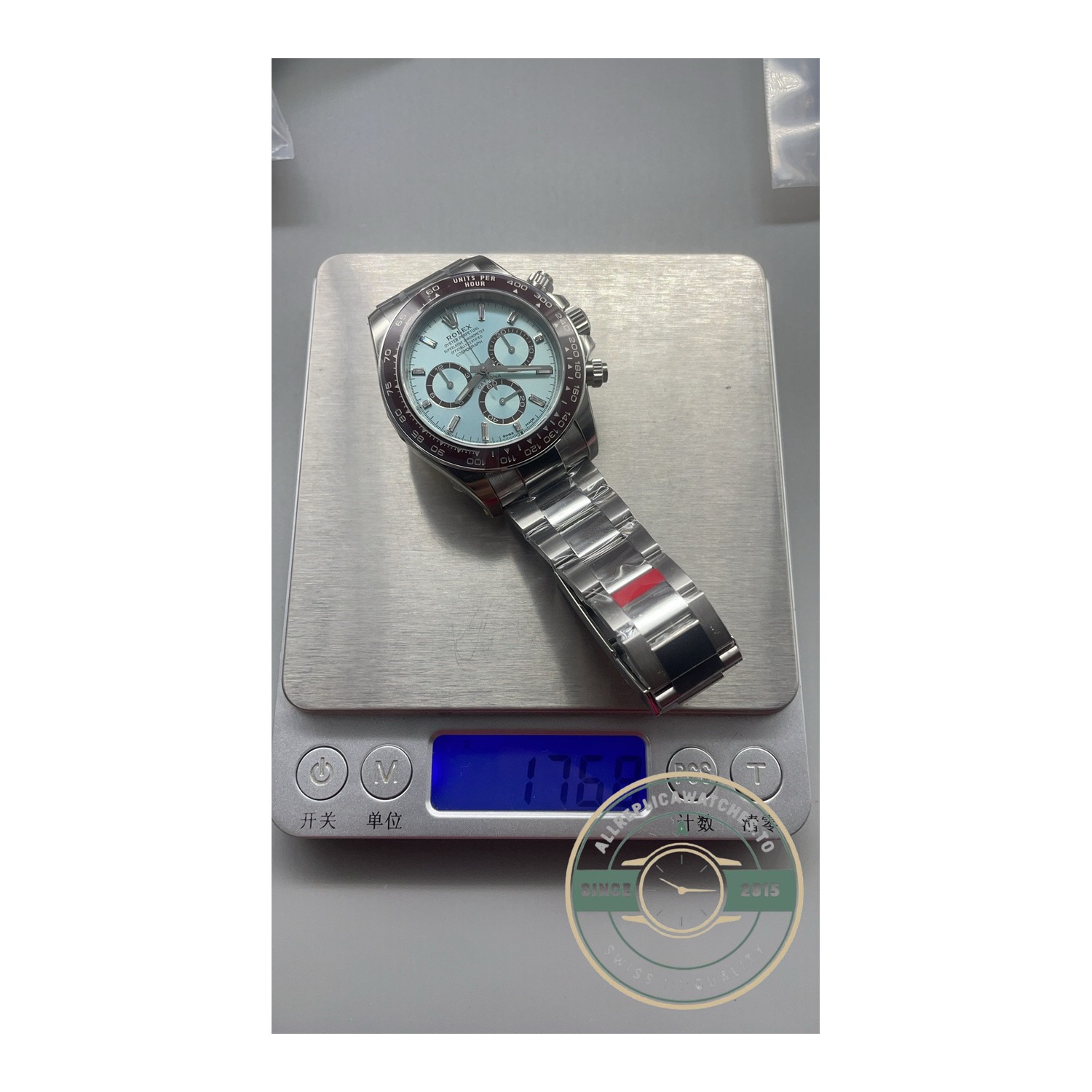
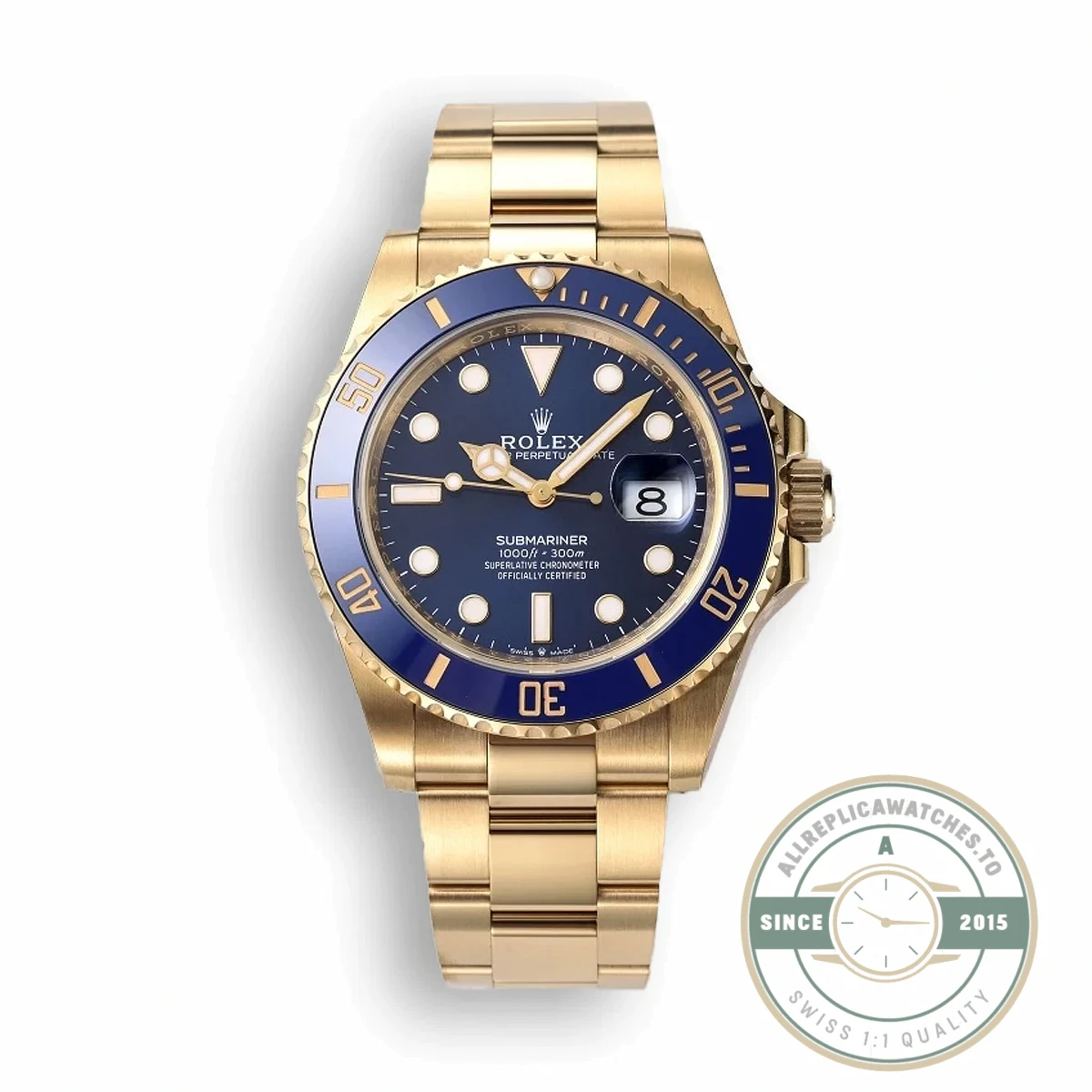
The President is recognized by its three semi-circular links, which form a softer, more rounded shape than an Oyster. Rolex introduced it with the Day-Date in 1956. On genuine modern watches, it is associated with precious metals and usually uses a concealed folding Crownclasp, preserving an almost unbroken line of links.
Its appeal is less about visual complexity and more about proportion. The curved links pair naturally with the Day-Date’s dressier case and day-date display. Compared with Jubilee, the pattern is simpler; compared with Oyster, it looks more jewellery-like.
Be precise when researching individual references: a President bracelet is not a standard steel option across the Rolex catalogue. A replica can imitate the visible design in other materials, but that should not be presented as the specification of the genuine watch.
Best for: A classic Day-Date aesthetic, formal or business wear, and anyone who values a continuous bracelet appearance with a discreet clasp.
Oysterflex: Sporty Appearance, Engineered Construction
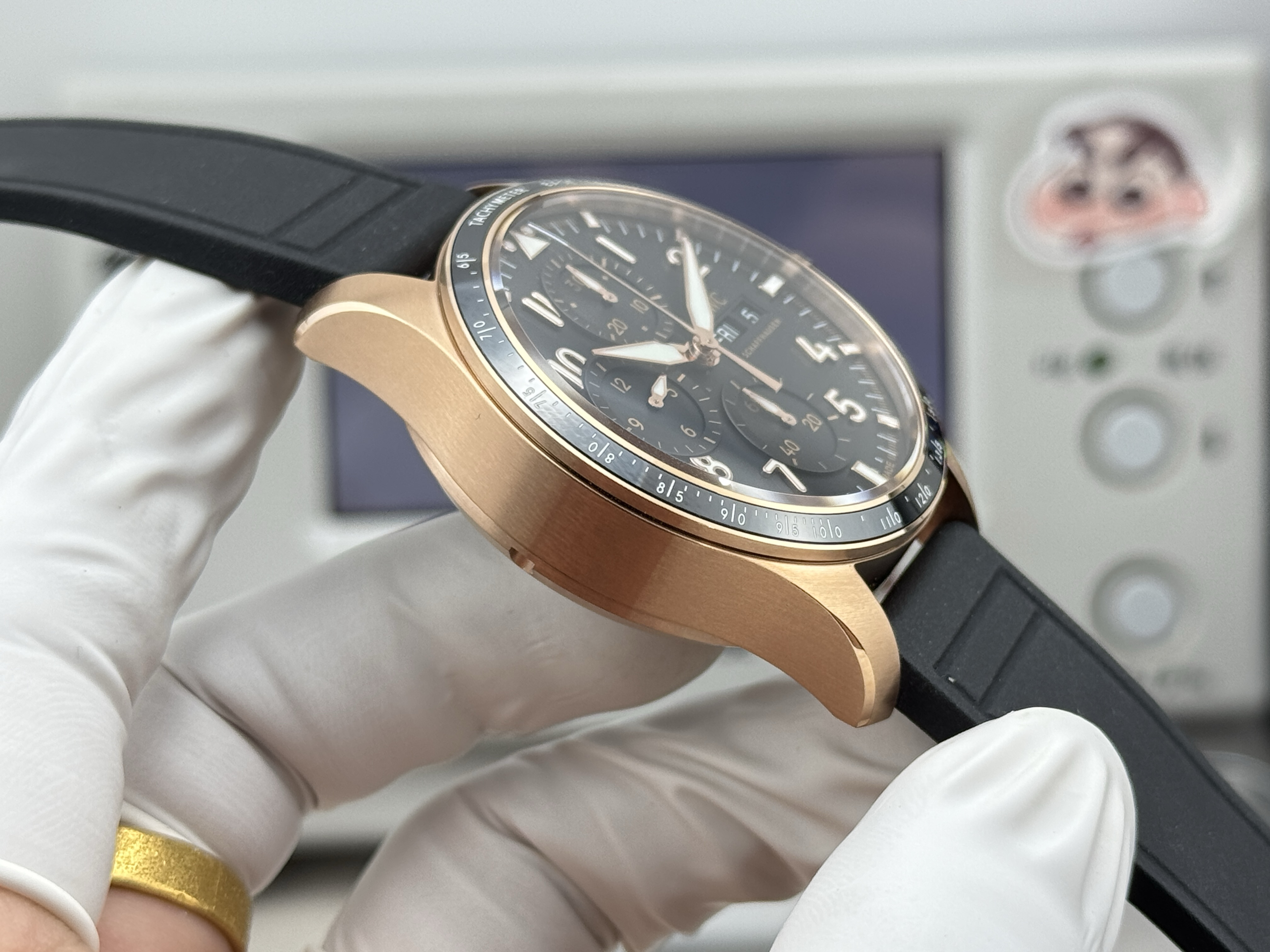
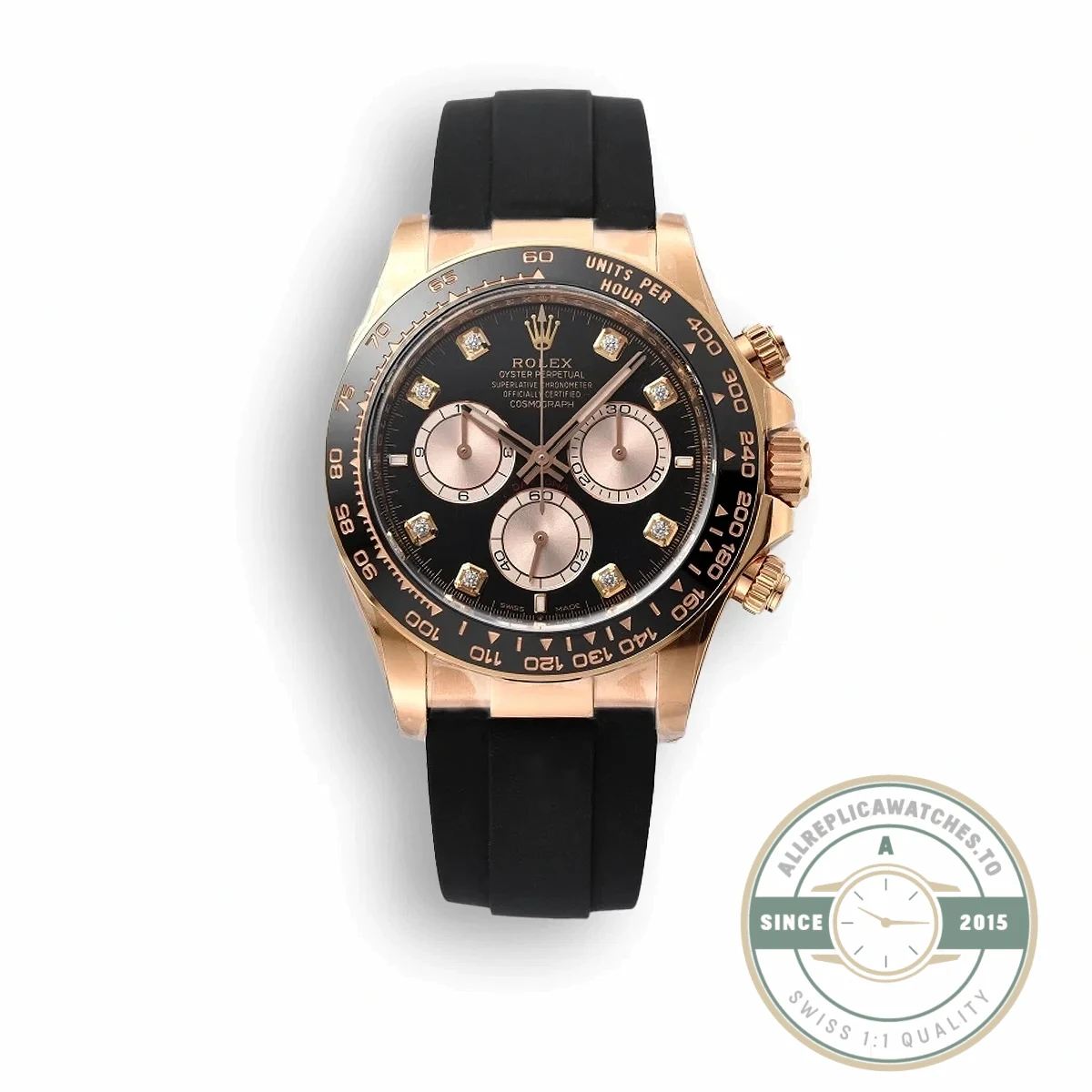
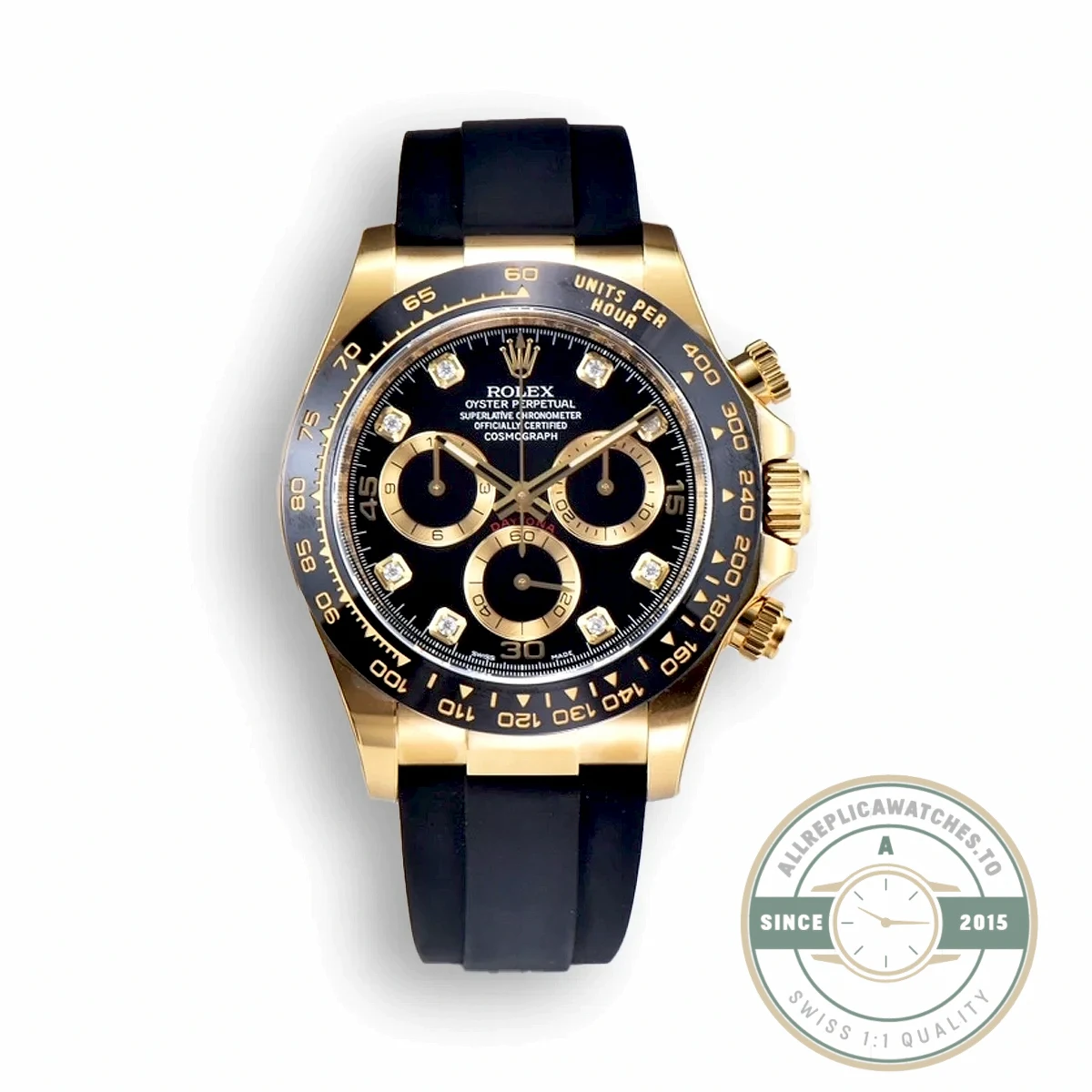
Oysterflex is often casually called a rubber strap, but that description misses the key detail. Rolex describes two flexible metal blades overmoulded with high-performance black elastomer. Its construction gives selected watches a sporty profile while keeping the appearance sharply integrated with the case.
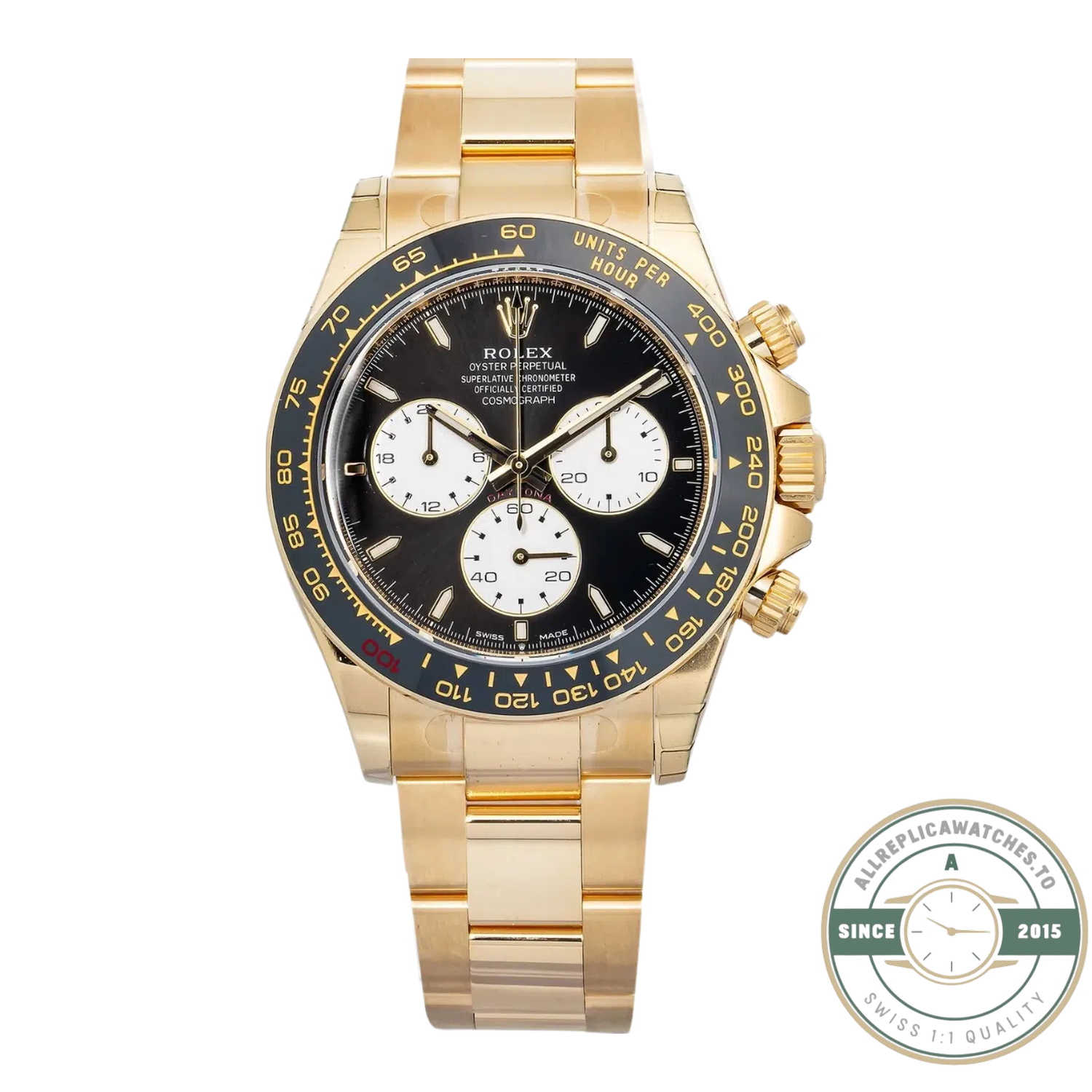
It feels different from a metal-link bracelet: there is no full-length chain of articulating links, and the black material contrasts strongly with gold or a polished case. Oysterflex is particularly recognizable on selected Yacht-Master and precious-metal Daytona models.
Sizing also works differently. You cannot simply remove several metal links as you would on an Oyster or Jubilee. The correct strap sections and the available adjustment range of the specific clasp matter. Some genuine Oysterflex references feature Glidelock fine adjustment; never assume every example, especially a replica, has the same adjustment mechanism.
Best for: Someone who wants a sporty, darker look and prefers a non-metal surface against the wrist—provided the specific strap lengths fit correctly.
Which Bracelet Belongs on Which Rolex?
A practical comparison starts with the watch family, not with an isolated bracelet. These are representative associations for genuine Rolex models; availability depends on reference, material and production year.
Explore related Rolex collections: Oyster & Jubilee · Sport & Classic · President Style · Oysterflex Style
Oyster vs Jubilee on a Datejust or GMT-Master II
On a Datejust: Oyster shifts attention toward the dial, bezel and case proportions. It makes a smooth-bezel model look particularly minimal. Jubilee draws the eye to the bracelet and reinforces the Datejust’s more traditional character. Neither choice affects the fundamental date function; it changes how the whole watch is perceived.
On a GMT-Master II: both bracelets can look convincingly at home. Oyster emphasizes the travel-tool heritage and pairs with a casual wardrobe. Jubilee adds an elegant contrast to a two-colour bezel. On current genuine GMT-Master II references equipped with these bracelets, Rolex specifies an Oysterlock safety clasp and an Easylink comfort extension.
When you are undecided, imagine the watch with your usual clothing. If your wardrobe is mostly casual and understated, start with Oyster. If you frequently dress smart-casual or simply love intricate details, Jubilee deserves the first look.
Which Is More Comfortable—and Which Shows Scratches?
Comfort is not determined by link count alone. A well-sized bracelet should sit securely without leaving a deep mark, allow a little movement as your wrist changes size, and keep the watch head from repeatedly sliding to the side. A badly sized Jubilee can be less comfortable than a properly fitted Oyster, and the reverse is equally true.
The Oyster’s wider panels can make scuffs more visually obvious on polished areas. The Jubilee’s many smaller surfaces break up reflections, but it has more crevices where residue can collect. President links often show the marks associated with their metal finish, while Oysterflex may collect lint or visible surface wear differently from metal.
None of these statements establishes a universal scratch-resistance ranking. Material, finishing, daily activities and how the watch is stored are more important than the bracelet name.
Quick comfort test: Fasten the watch, lower your arm, rotate your wrist and type for a few minutes. Look for pinching at the clasp, loose end-link movement, hair pulling and a case that constantly rotates. A great bracelet choice should feel good in ordinary use—not just in photographs.
Easylink, Glidelock and Crownclasp Explained
Easylink is a comfort-extension mechanism used on specified Rolex bracelets. Rolex commonly describes an approximately 5 mm extension, useful when a wrist expands during the day. Glidelock provides finer adjustments over a range, with the exact configuration varying by model and bracelet. Crownclasp is a concealed folding clasp designed to preserve the visual continuity of the bracelet.
You will also encounter Oysterclasp and Oysterlock. The latter includes an additional safety mechanism on relevant sports models. These are clasp families, not interchangeable synonyms. A Datejust on Jubilee and a GMT-Master II on Jubilee may have different clasp arrangements, even though the bracelet links look related.
For a replica, verify the exact clasp on the piece being offered. Ask for photos of the clasp open and closed, plus a short demonstration of any claimed extension mechanism. A product title alone is not proof that Easylink or Glidelock works like the original.
Replica Bracelet QC: What to Check Before You Choose
A replica can reproduce the appearance of a Rolex bracelet without necessarily matching its construction, fit or clasp tolerances. Compare the actual item with the stated reference, and ask for clear, current photographs rather than relying only on catalogue images.
This is a quality-inspection checklist, not an authentication method. A convincing bracelet or logo does not make a watch genuine. If authenticity is the question, seek an independent assessment from an appropriately qualified watch professional.
How to Keep Your Bracelet Looking Good
For routine care, wipe the bracelet with a soft, clean microfibre cloth after wearing it, especially around the clasp and between links. Avoid abrasive polishing compounds: they can alter brushed finishes, round off crisp edges or damage coatings.
If the watch is a replica or its water resistance has not been independently pressure-tested, do not assume it is safe to rinse or submerge the complete watch. Clean conservatively and keep water away from the crown and case openings. Metal bracelets removed from a watch may be cleaned separately when the material and construction permit it, then thoroughly dried.
Check periodically for loose screws, damaged spring bars and links that no longer move smoothly. Bracelet security is more important than cosmetic shine.
Frequently Asked Questions
Is an Oyster bracelet better than a Jubilee?
Neither is universally better. Oyster has a simpler, sportier visual style; Jubilee has a more intricate five-link design and often feels very supple. Choose based on the specific watch, fit and appearance you prefer.
Which bracelet is best for a Rolex Datejust?
Oyster is a strong choice for a clean everyday look; Jubilee is the classic option if you like additional detail. The Datejust 36 and 41 are offered with these two bracelet families on genuine Rolex references.
Is the Jubilee bracelet less durable?
Not automatically. Longevity depends on the bracelet’s construction quality, pins, fit, materials and maintenance. Link count alone cannot establish a useful durability ranking.
Does the President bracelet come in stainless steel?
Rolex reserves the genuine modern President bracelet for precious-metal watches, especially the Day-Date and certain Datejust versions. Replica designs may imitate its appearance in other materials.
Is Oysterflex just a rubber strap?
No. On genuine Rolex watches, the Oysterflex bracelet uses flexible metal blades enclosed in high-performance elastomer. A visually similar aftermarket or replica strap may have a different internal construction.
Can I swap Oyster and Jubilee bracelets on the same watch?
Some reference-specific swaps are possible, but compatibility is not universal. Confirm case reference, end links, lug width, spring bars and clasp configuration before attempting a change.
What is the difference between Easylink and Glidelock?
Easylink typically provides an approximately 5 mm comfort extension on applicable models. Glidelock is a finer adjustment system with a model-dependent range and step size.
Do replica bracelet features match genuine Rolex specifications?
Not necessarily. Link shape may be visually similar while materials, clasp tolerances, extension systems and fit differ. Check the exact watch with photographs or video and avoid treating a marketing label as proof.
Explore Rolex-inspired styles and ask for clear bracelet, clasp and sizing photos of the exact watch before making a decision.
Products offered by this site are replicas, not genuine Rolex watches or Rolex-endorsed products.